.jpeg)
.png)
Selling real estate has been a dream career for Max. He’s fascinated by all aspects of the business and takes great pride in solving problems for clients to achieve their desired outcome.
DRE #

In the face of rising interest rates, reaching as high as 7% in 2024, real estate buyers are compelled to think outside the traditional mortgage box to secure their dream homes or investment properties. This environment underscores the importance of exploring alternative financing options that can help buyers navigate the challenges of high borrowing costs. From seller financing to government-backed loans, this article delves into creative strategies that can provide relief to buyers in today's market.
Seller financing emerges as a standout option, offering a win-win situation for both buyers and sellers. In this arrangement, the seller acts as the lender, allowing the buyer to make payments directly to them over an agreed period. This method can offer more flexible terms than traditional loans, including potentially lower interest rates and customizable repayment schedules. For sellers, it provides an attractive selling point, especially in a competitive market, by broadening the pool of prospective buyers.
Lease options represent another innovative solution, granting buyers the right to purchase a property at the end of a lease term. This approach allows buyers to lock in today's prices while saving or improving their financing options for a future purchase. It's an especially appealing strategy for those who need more time to accumulate a down payment or improve their credit scores, providing a pathway to homeownership without immediately securing a conventional mortgage.
For buyers looking to mitigate the impact of high interest rates, government-backed loans such as FHA, VA, or USDA loans offer viable alternatives. These loans often come with competitive interest rates and more lenient qualification criteria, making homeownership more accessible. While each has specific eligibility requirements, exploring these options can uncover paths to financing with favorable terms, despite the broader market's high rates.
Current homeowners looking to invest in additional properties can consider leveraging the equity in their existing home. Home equity lines of credit (HELOCs) or home equity loans offer a method to finance new property purchases at potentially lower interest rates than conventional investment property loans. This approach can be particularly strategic for those looking to expand their real estate portfolios or move into a new primary residence.
The current high-interest rate environment necessitates a creative approach to financing real estate purchases. By exploring options beyond the traditional mortgage, buyers can find pathways to homeownership and investment that align with their financial circumstances and goals. Whether through seller financing, lease options, government-backed loans, or leveraging home equity, the key lies in understanding the available alternatives and choosing the strategy that best suits one's needs.
In a market shaped by 7% interest rates, the ability to think creatively about financing can make all the difference in securing a property. For those navigating this challenging landscape, staying informed about the full spectrum of financing options is crucial.
Text me with thoughts or questions. As we adapt to these market conditions, exploring innovative financing solutions will be essential for buyers aiming to realize their real estate ambitions in 2024.

As we move into Spring 2024, the landscape of work and, consequently, real estate continues to evolve dramatically, courtesy of the enduring trend of remote work. Initially catalyzed by the global pandemic, the shift towards telecommuting has not only persisted but flourished, significantly influencing buyers' preferences for property types and locations. This article examines the ongoing impact of remote work on real estate choices, spotlighting the growing allure of suburban and rural homes over urban centers.
The flexibility to work from anywhere has led many to reevaluate their living situations, moving away from city centers traditionally favored for their proximity to office spaces. Instead, the emphasis has shifted towards homes in suburban and rural areas that offer more space—both indoors and outdoors—at a better value. This trend signifies a profound change in the desirability of real estate, with urban centers witnessing a decline as more individuals and families opt for the tranquility and affordability found beyond city limits.
The appeal of suburban and rural properties has skyrocketed, driven by the desire for home offices, personal outdoor spaces, and a higher quality of life. These areas offer the dual benefits of more spacious living environments and the peace that comes with being closer to nature—qualities that have become increasingly important for those spending a significant amount of their time at home. Moreover, the possibility of owning a larger property at a lower cost compared to urban equivalents has made suburban and rural homes highly sought after in 2024.
The trend of remote work has not only affected individual housing choices but also initiated notable population shifts. Major cities, once the epicenter of economic activity and residential demand, have seen a gradual exodus as remote workers seek better living conditions and value elsewhere. This movement has been particularly pronounced in cities known for their high cost of living, where the trade-offs of urban living no longer justify the expense for remote workers.
For real estate buyers and investors, understanding these shifts is crucial. The increasing demand for properties that accommodate remote work—featuring dedicated office spaces, tech-friendly amenities, and larger, more versatile living areas—highlights where the market is headed. Additionally, the attractiveness of community features such as high-speed internet access, green spaces, and local amenities has become paramount, influencing buying decisions more than ever before.
As remote work solidifies its place in the fabric of our working lives, its influence on real estate choices and market trends is expected to deepen. Suburban and rural areas may continue to see increased demand, potentially leading to a renaissance in these communities as they adapt to accommodate the influx of former city dwellers. For urban centers, the challenge will be to reinvent and reposition themselves to remain attractive in the new normal, possibly by enhancing livability and affordability.
In conclusion, the rise of remote work is reshaping the real estate landscape in 2024, with a clear shift towards suburban and rural living. This evolution presents both challenges and opportunities for buyers, sellers, and investors, underscoring the importance of staying attuned to these trends and adapting strategies accordingly.
Text me with thoughts or questions.
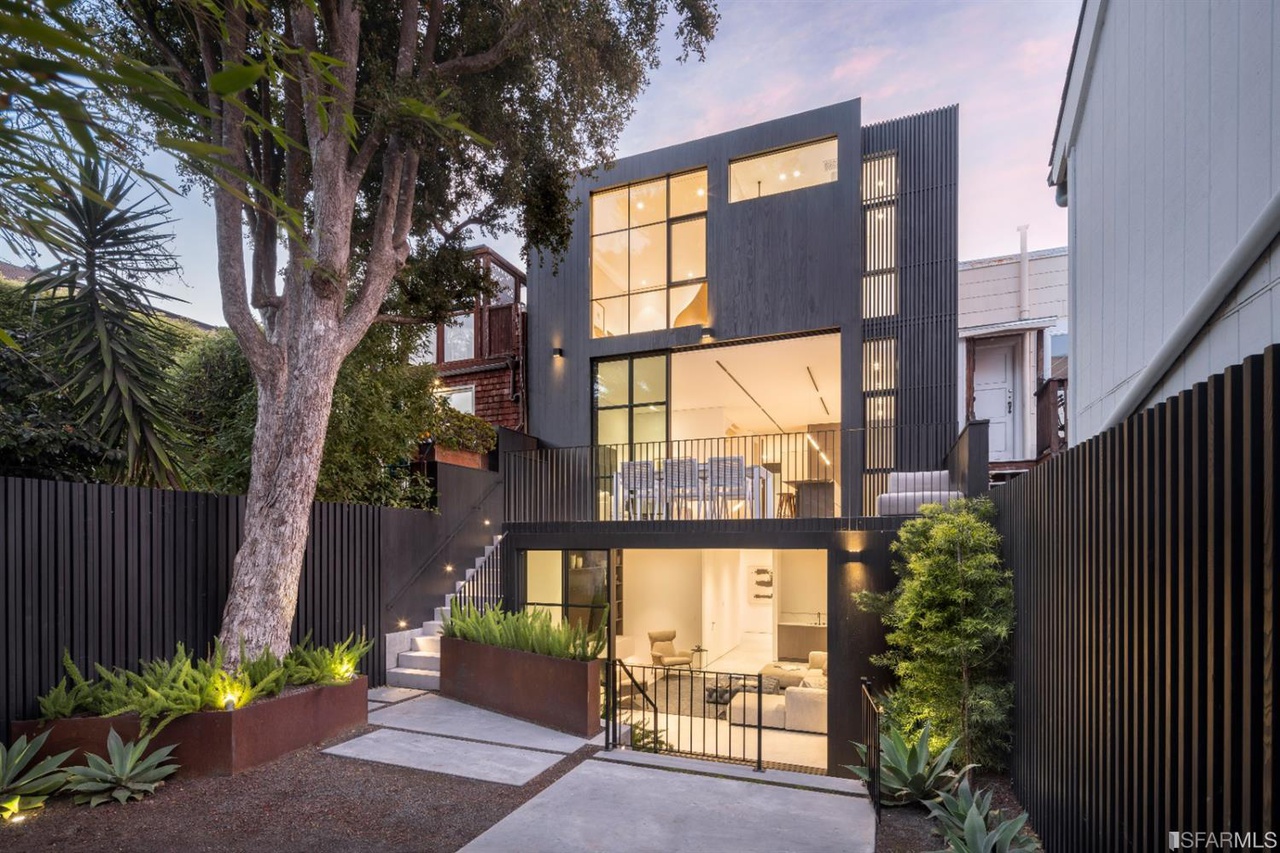
The luxury real estate market in 2024 is navigating through a period of significant transformation, influenced by shifting economic conditions, buyer preferences, and high interest rates. Despite these challenges, the luxury sector remains resilient, offering unique opportunities for both buyers and sellers willing to adapt to the changing landscape. This article delves into the current state of the luxury real estate market, highlighting the key trends, challenges, and opportunities that are shaping luxury property transactions this year.
One of the most notable impacts on the luxury market has been the adjustment of seller expectations to align with today's economic environment. High interest rates have prompted a recalibration of what buyers are willing and able to spend, even at the top end of the market. This necessitates a more nuanced approach to pricing and marketing luxury properties, ensuring they remain compelling to a selective buyer pool.
Despite broader market shifts, the demand for turnkey luxury properties—those requiring no additional work or investment from the buyer—continues to thrive. Buyers in the luxury segment are increasingly seeking homes that offer immediate comfort, convenience, and high-end amenities. This trend underscores the importance for sellers to present properties that meet these exacting standards, from state-of-the-art technology to bespoke interior designs.
An emerging trend in the luxury market is the openness of sellers to offer financing options, a move driven by the desire to attract buyers amidst higher borrowing costs. Seller financing can provide buyers with more attractive terms than those available through traditional lenders, including lower interest rates and flexible repayment schedules. This strategy not only makes luxury properties more accessible but also positions sellers more favorably in a competitive market.
Today's luxury buyers are not just looking for opulence; they're seeking properties that reflect their lifestyle, values, and personal aspirations. Sustainable design, wellness amenities, and privacy features are increasingly at the forefront of buyer preferences. Luxury properties that offer a unique selling proposition, such as eco-friendly construction or wellness-centric design, stand out in the 2024 market, attracting discerning buyers looking for more than just traditional luxury.
The luxury real estate market in 2024 presents a complex landscape of opportunities and challenges. For sellers, the key to success lies in understanding and adapting to the evolving preferences of luxury buyers, along with leveraging innovative selling strategies like seller financing. For buyers, the market offers a chance to secure exceptional properties that not only signify wealth but also align with modern lifestyle aspirations and values.
In navigating the luxury real estate market this year, participants must remain agile, informed, and ready to embrace new approaches. Whether looking to buy or sell, the luxury market in 2024 demands a strategic perspective, with an eye towards the unique opportunities that these changing times present.
Text me with thoughts or questions.

In 2024, navigating the real estate market as a buyer has become an exercise in strategy and finesse, particularly in a seller's market where demand outpaces supply. Crafting an offer that stands out among a sea of competitors requires more than just meeting the asking price. This guide delves into nuanced strategies for buyers aiming to secure their desired property without necessarily resorting to the highest bid. From escalation clauses to personalized seller engagement, discover how to make your offer resonate in a competitive market.
The dynamics of a seller's market often push prices upward, but winning offers aren't solely defined by dollar amounts. A deep understanding of a seller's motivations can unlock alternative pathways to success. Offers that cater to the specific needs or timelines of a seller can often eclipse higher bids that lack flexibility or insight.
Making a competitive offer in today's market isn't just about adjusting the financials—it's about crafting a proposal that speaks to the unique circumstances and preferences of the seller. Here are additional tips to refine your approach:
In a seller's market, the complexity of securing a property goes beyond simple economics. It requires a blend of financial readiness, strategic thinking, and sometimes, a personal touch. By understanding and adapting to the nuances of the seller's situation, buyers can present compelling offers that resonate on multiple levels, not just price.
The landscape of real estate transactions in 2024 challenges buyers to think creatively and empathetically, leveraging a combination of strategies to achieve their homeownership goals. With the right approach, navigating the competitive currents of a seller's market is not only possible but can also be a rewarding journey to securing your ideal home.
Text me to get started on securing a deal on your dream property.
In the face of rising interest rates, reaching as high as 7% in 2024, real estate buyers are compelled to think outside the traditional mortgage box to secure their dream homes or investment properties. This environment underscores the importance of exploring alternative financing options that can help buyers navigate the challenges of high borrowing costs. From seller financing to government-backed loans, this article delves into creative strategies that can provide relief to buyers in today's market.
Seller financing emerges as a standout option, offering a win-win situation for both buyers and sellers. In this arrangement, the seller acts as the lender, allowing the buyer to make payments directly to them over an agreed period. This method can offer more flexible terms than traditional loans, including potentially lower interest rates and customizable repayment schedules. For sellers, it provides an attractive selling point, especially in a competitive market, by broadening the pool of prospective buyers.
Lease options represent another innovative solution, granting buyers the right to purchase a property at the end of a lease term. This approach allows buyers to lock in today's prices while saving or improving their financing options for a future purchase. It's an especially appealing strategy for those who need more time to accumulate a down payment or improve their credit scores, providing a pathway to homeownership without immediately securing a conventional mortgage.
For buyers looking to mitigate the impact of high interest rates, government-backed loans such as FHA, VA, or USDA loans offer viable alternatives. These loans often come with competitive interest rates and more lenient qualification criteria, making homeownership more accessible. While each has specific eligibility requirements, exploring these options can uncover paths to financing with favorable terms, despite the broader market's high rates.
Current homeowners looking to invest in additional properties can consider leveraging the equity in their existing home. Home equity lines of credit (HELOCs) or home equity loans offer a method to finance new property purchases at potentially lower interest rates than conventional investment property loans. This approach can be particularly strategic for those looking to expand their real estate portfolios or move into a new primary residence.
The current high-interest rate environment necessitates a creative approach to financing real estate purchases. By exploring options beyond the traditional mortgage, buyers can find pathways to homeownership and investment that align with their financial circumstances and goals. Whether through seller financing, lease options, government-backed loans, or leveraging home equity, the key lies in understanding the available alternatives and choosing the strategy that best suits one's needs.
In a market shaped by 7% interest rates, the ability to think creatively about financing can make all the difference in securing a property. For those navigating this challenging landscape, staying informed about the full spectrum of financing options is crucial.
Text me with thoughts or questions. As we adapt to these market conditions, exploring innovative financing solutions will be essential for buyers aiming to realize their real estate ambitions in 2024.
The luxury real estate market in 2024 is navigating through a period of significant transformation, influenced by shifting economic conditions, buyer preferences, and high interest rates. Despite these challenges, the luxury sector remains resilient, offering unique opportunities for both buyers and sellers willing to adapt to the changing landscape. This article delves into the current state of the luxury real estate market, highlighting the key trends, challenges, and opportunities that are shaping luxury property transactions this year.
One of the most notable impacts on the luxury market has been the adjustment of seller expectations to align with today's economic environment. High interest rates have prompted a recalibration of what buyers are willing and able to spend, even at the top end of the market. This necessitates a more nuanced approach to pricing and marketing luxury properties, ensuring they remain compelling to a selective buyer pool.
Despite broader market shifts, the demand for turnkey luxury properties—those requiring no additional work or investment from the buyer—continues to thrive. Buyers in the luxury segment are increasingly seeking homes that offer immediate comfort, convenience, and high-end amenities. This trend underscores the importance for sellers to present properties that meet these exacting standards, from state-of-the-art technology to bespoke interior designs.
An emerging trend in the luxury market is the openness of sellers to offer financing options, a move driven by the desire to attract buyers amidst higher borrowing costs. Seller financing can provide buyers with more attractive terms than those available through traditional lenders, including lower interest rates and flexible repayment schedules. This strategy not only makes luxury properties more accessible but also positions sellers more favorably in a competitive market.
Today's luxury buyers are not just looking for opulence; they're seeking properties that reflect their lifestyle, values, and personal aspirations. Sustainable design, wellness amenities, and privacy features are increasingly at the forefront of buyer preferences. Luxury properties that offer a unique selling proposition, such as eco-friendly construction or wellness-centric design, stand out in the 2024 market, attracting discerning buyers looking for more than just traditional luxury.
The luxury real estate market in 2024 presents a complex landscape of opportunities and challenges. For sellers, the key to success lies in understanding and adapting to the evolving preferences of luxury buyers, along with leveraging innovative selling strategies like seller financing. For buyers, the market offers a chance to secure exceptional properties that not only signify wealth but also align with modern lifestyle aspirations and values.
In navigating the luxury real estate market this year, participants must remain agile, informed, and ready to embrace new approaches. Whether looking to buy or sell, the luxury market in 2024 demands a strategic perspective, with an eye towards the unique opportunities that these changing times present.
Text me with thoughts or questions.
As we move into Spring 2024, the landscape of work and, consequently, real estate continues to evolve dramatically, courtesy of the enduring trend of remote work. Initially catalyzed by the global pandemic, the shift towards telecommuting has not only persisted but flourished, significantly influencing buyers' preferences for property types and locations. This article examines the ongoing impact of remote work on real estate choices, spotlighting the growing allure of suburban and rural homes over urban centers.
The flexibility to work from anywhere has led many to reevaluate their living situations, moving away from city centers traditionally favored for their proximity to office spaces. Instead, the emphasis has shifted towards homes in suburban and rural areas that offer more space—both indoors and outdoors—at a better value. This trend signifies a profound change in the desirability of real estate, with urban centers witnessing a decline as more individuals and families opt for the tranquility and affordability found beyond city limits.
The appeal of suburban and rural properties has skyrocketed, driven by the desire for home offices, personal outdoor spaces, and a higher quality of life. These areas offer the dual benefits of more spacious living environments and the peace that comes with being closer to nature—qualities that have become increasingly important for those spending a significant amount of their time at home. Moreover, the possibility of owning a larger property at a lower cost compared to urban equivalents has made suburban and rural homes highly sought after in 2024.
The trend of remote work has not only affected individual housing choices but also initiated notable population shifts. Major cities, once the epicenter of economic activity and residential demand, have seen a gradual exodus as remote workers seek better living conditions and value elsewhere. This movement has been particularly pronounced in cities known for their high cost of living, where the trade-offs of urban living no longer justify the expense for remote workers.
For real estate buyers and investors, understanding these shifts is crucial. The increasing demand for properties that accommodate remote work—featuring dedicated office spaces, tech-friendly amenities, and larger, more versatile living areas—highlights where the market is headed. Additionally, the attractiveness of community features such as high-speed internet access, green spaces, and local amenities has become paramount, influencing buying decisions more than ever before.
As remote work solidifies its place in the fabric of our working lives, its influence on real estate choices and market trends is expected to deepen. Suburban and rural areas may continue to see increased demand, potentially leading to a renaissance in these communities as they adapt to accommodate the influx of former city dwellers. For urban centers, the challenge will be to reinvent and reposition themselves to remain attractive in the new normal, possibly by enhancing livability and affordability.
In conclusion, the rise of remote work is reshaping the real estate landscape in 2024, with a clear shift towards suburban and rural living. This evolution presents both challenges and opportunities for buyers, sellers, and investors, underscoring the importance of staying attuned to these trends and adapting strategies accordingly.
Text me with thoughts or questions.
In 2024, navigating the real estate market as a buyer has become an exercise in strategy and finesse, particularly in a seller's market where demand outpaces supply. Crafting an offer that stands out among a sea of competitors requires more than just meeting the asking price. This guide delves into nuanced strategies for buyers aiming to secure their desired property without necessarily resorting to the highest bid. From escalation clauses to personalized seller engagement, discover how to make your offer resonate in a competitive market.
The dynamics of a seller's market often push prices upward, but winning offers aren't solely defined by dollar amounts. A deep understanding of a seller's motivations can unlock alternative pathways to success. Offers that cater to the specific needs or timelines of a seller can often eclipse higher bids that lack flexibility or insight.
Making a competitive offer in today's market isn't just about adjusting the financials—it's about crafting a proposal that speaks to the unique circumstances and preferences of the seller. Here are additional tips to refine your approach:
In a seller's market, the complexity of securing a property goes beyond simple economics. It requires a blend of financial readiness, strategic thinking, and sometimes, a personal touch. By understanding and adapting to the nuances of the seller's situation, buyers can present compelling offers that resonate on multiple levels, not just price.
The landscape of real estate transactions in 2024 challenges buyers to think creatively and empathetically, leveraging a combination of strategies to achieve their homeownership goals. With the right approach, navigating the competitive currents of a seller's market is not only possible but can also be a rewarding journey to securing your ideal home.
Text me to get started on securing a deal on your dream property.

In an unprecedented move that's set to redefine the real estate landscape, the National Association of Realtors (NAR) has made headlines with a groundbreaking settlement. This agreement, entailing a payment of $418 million in damages, marks the end of a longstanding debate over broker commissions. At the heart of this legal battle were policies that critics argued artificially inflated the cost of selling homes, disadvantaging homeowners across the board. With court approval pending, we're on the brink of seeing the abolition of the commission-sharing rule, a policy that has long been a cornerstone of real estate transactions.
The settlement addresses accusations that NAR's rules for homes listed on Realtor-controlled Multiple Listing Services (MLS) unfairly kept agent commissions high, dissuading agents from showing homes with lower offered commissions to the buyer's agent. This significant shift towards giving homeowners more control and the ability to directly negotiate commissions signals a pivotal change in the real estate sector.
The dismantlement of the commission-sharing policy heralds a future where both sellers and buyers could benefit from potentially reduced agent commissions. This change is set to diminish the financial hurdles for sellers, freeing them from the necessity of offering preset commissions through the MLS. Now, negotiations over commissions can take place directly, presenting an opportunity for sellers to negotiate more favorable terms or to engage with buyers without representation, offering substantial savings on commission fees.
For agents, this shift foretells a market landscape rife with both challenges and prospects. The move away from a traditional commission-based compensation model might engender a highly competitive marketplace, compelling agents to underscore their value to both buyers and sellers. This could particularly affect the realm of buyer's agency, possibly making it a less lucrative avenue as the profession adapts to these changes.
This settlement not only promises a more transparent and equitable market but may also lead to a reduction in overall commission rates. Moreover, it mandates clear articulation of buyer's agents' services and commission rates, ensuring buyers are fully informed of the financial aspects of these services.
Sellers and buyers will now enjoy greater flexibility in negotiating agent commissions, potentially leading to reduced standard rates and significant annual savings for buyers.
The expected drop in commissions and the growing likelihood of buyers negotiating lower rates or opting out of agent services altogether might make buyer's agency less appealing as a specialization.
Sellers stand to gain substantially from these changes, with newfound negotiating power and the possibility to save on costs previously earmarked for buyer's agent commissions.
As we look towards the implementation of these monumental changes by mid-July, this settlement represents a considerable win for home sellers and a call for real estate professionals to recalibrate their strategies in line with the evolving market. The enduring impact of these rule changes on the industry and their acceptance by regulatory authorities remain to be seen. Nonetheless, the trajectory towards a more competitive, transparent, and consumer-centric market is clear.
This resolution not only puts to rest the legal challenges NAR faced but also sets a new standard for real estate transactions focusing on negotiation, transparency, and equity. As the industry progresses, attention will turn to the adoption of these changes and their lasting effect on the real estate profession and market dynamics.
For those of you navigating the nuances of the San Francisco real estate market during these transformative times, I'm here to help. Whether you have questions about how these changes might affect your property sale or purchase, or you're looking for strategic advice, text me. Together, we can navigate this new real estate landscape in San Francisco, leveraging these changes to your advantage.
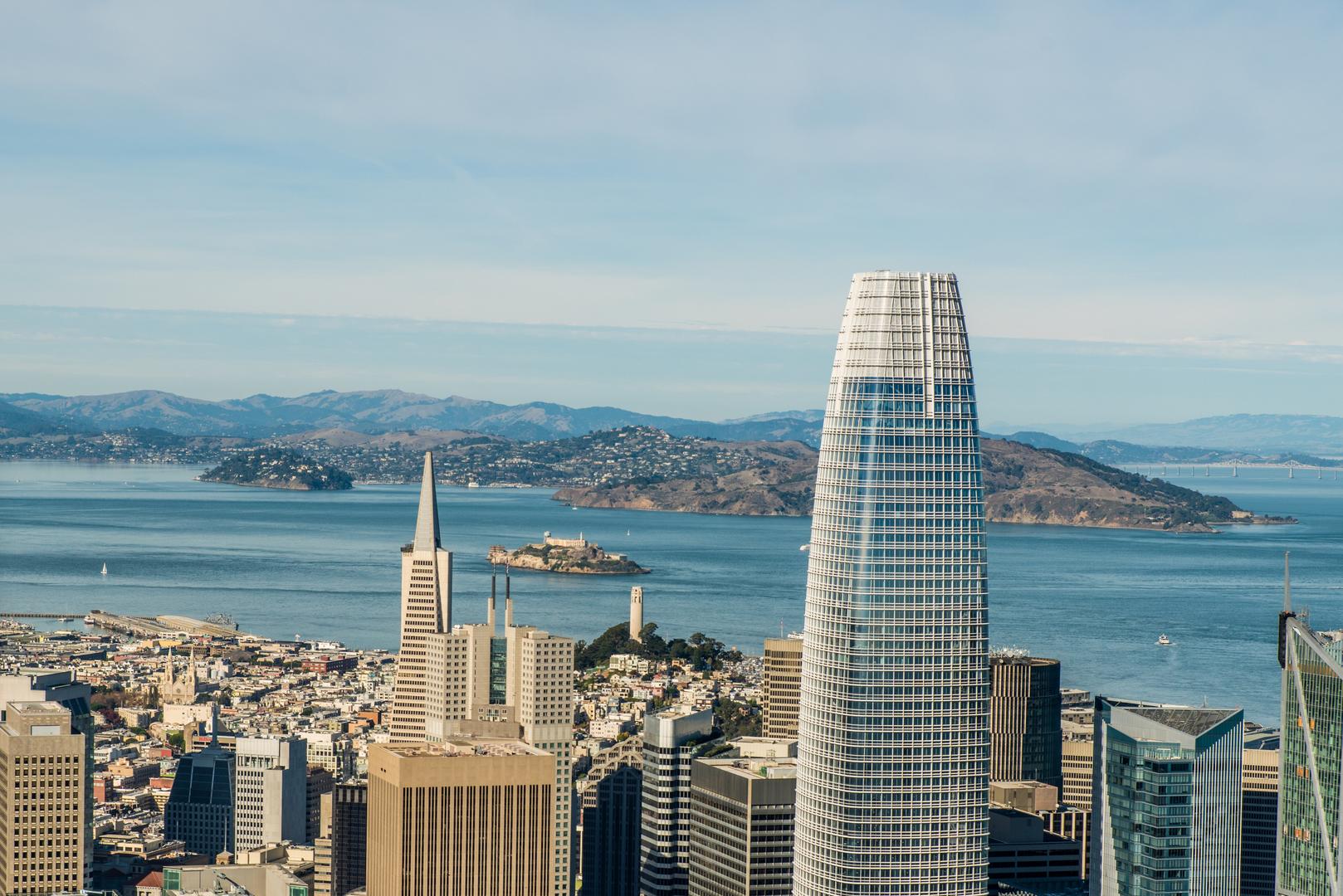
Salesforce, a tech giant and San Francisco's largest private employer, has dramatically reduced its office space in the city, signaling a pivotal adjustment in its real estate strategy. Reflecting a wider industry trend towards flexible work arrangements, Salesforce has cut its office footprint by 45%, now utilizing 900,000 square feet, a stark reduction from 1.6 million square feet a year prior.
This downsizing, disclosed in a recent filing with the Securities and Exchange Commission, includes the expiration of 200,000 square feet of leases and the marketing of an additional 500,000 square feet for lease or sublease. As the tech sector, including Salesforce, leans into remote work models initiated during the pandemic, this shift marks a departure from 2019's report of 2.1 million square feet of office space occupied by Salesforce in downtown San Francisco.
In an effort to streamline costs, Salesforce projected "exit charges" tied to office space reductions to range between $450 million to $650 million last January. This decision is part of a larger restructuring plan aimed at cost reduction, which also saw layoffs impacting 10% of its workforce. Until recently, Salesforce had not specified which of its San Francisco leases would be terminated.
In its quest to optimize its real estate portfolio, Salesforce has placed several properties on the sublease market. Notably, this includes 125,000 square feet at the Salesforce Tower headquarters, alongside listings at Salesforce East and Salesforce West towers. This follows an initial market listing of 412,000 square feet in summer 2022, underscoring the company's proactive approach to adjusting its physical presence in the city.
Despite the reduction, Salesforce's anchor in San Francisco remains robust, with a significant lease at Salesforce Tower until 2031. Furthermore, Salesforce's acquisition of Slack in 2021 expanded its real estate footprint, adding substantial leases at 45 Fremont Street and 500 Howard Street, with the latter recently welcoming AI firm Anthropic as a tenant.
Salesforce's recalibration of its office space is indicative of broader shifts in workplace dynamics and the tech industry's evolving requirements. As a key figure in the city's employment and real estate spheres, Salesforce's strategy may influence future leasing trends, office design preferences, and the conceptualization of workspaces in urban environments.
Navigating the evolving office market in San Francisco, or wondering how these industry shifts might impact your real estate interests? Text me for a conversation on leveraging these developments for your advantage in the dynamic landscape of San Francisco's office real estate.

San Francisco, a beacon of innovation and a powerhouse in the tech and business sectors, finds its office market in a period of significant flux. Recent data from CBRE highlights a record office vacancy rate of 36.6% as of the first quarter of 2024, marking a slight uptick from the previous quarter's 35.6%. This shift signals the evolving challenges and transformations within one of the nation's most prominent yet currently underutilized commercial spaces.
Spanning approximately 88 million square feet, San Francisco's office market is at a pivotal moment. The rise in vacancy rates from an all-time low of 4% in early 2020 to its current level underscores the profound impact of the shift towards remote work initiated by tech companies. This transition has redefined the conventional usage of office spaces, heralding a new era for the city's business environment.
Despite these hurdles, the market is showing tentative signs of recovery and resilience. Colin Yasukochi, the executive director of CBRE’s Tech Insights Center in San Francisco, points to an increase in tenant demand as a positive indicator of the market's direction. With tenant requirements for office space climbing to 6.3 million square feet in the first quarter, there's a renewed interest in San Francisco's office offerings, suggesting a gradual rebound.
While the supply of available office space currently surpasses demand, the rising interest levels hint at the possibility of market stabilization or even a decrease in vacancy rates in the foreseeable future. CBRE's forecast of approximately 6.5 million square feet in leasing activity for the year reflects cautious optimism, acknowledging the market's adjustment to a new normal in the wake of the pandemic.
Landlords are now tasked with leasing space more directly as the volume of subleased offices dwindles. Additionally, with annual average asking rents standing at $68.35 per square foot, expectations are set for a further decline in rental prices, aligning with shifting demand dynamics.
For businesses and investors, the evolving landscape of San Francisco's office market presents both challenges and opportunities. The uptick in tenant interest not only signals potential for market recovery but also opens doors for strategic investments and innovative approaches to utilizing office spaces in the city. As San Francisco continues to adapt, its inherent resilience and capacity for innovation will undoubtedly influence the future trajectory of its office market.
Interested in delving into office space opportunities in San Francisco or seeking advice on how to navigate these changing times? Text me.
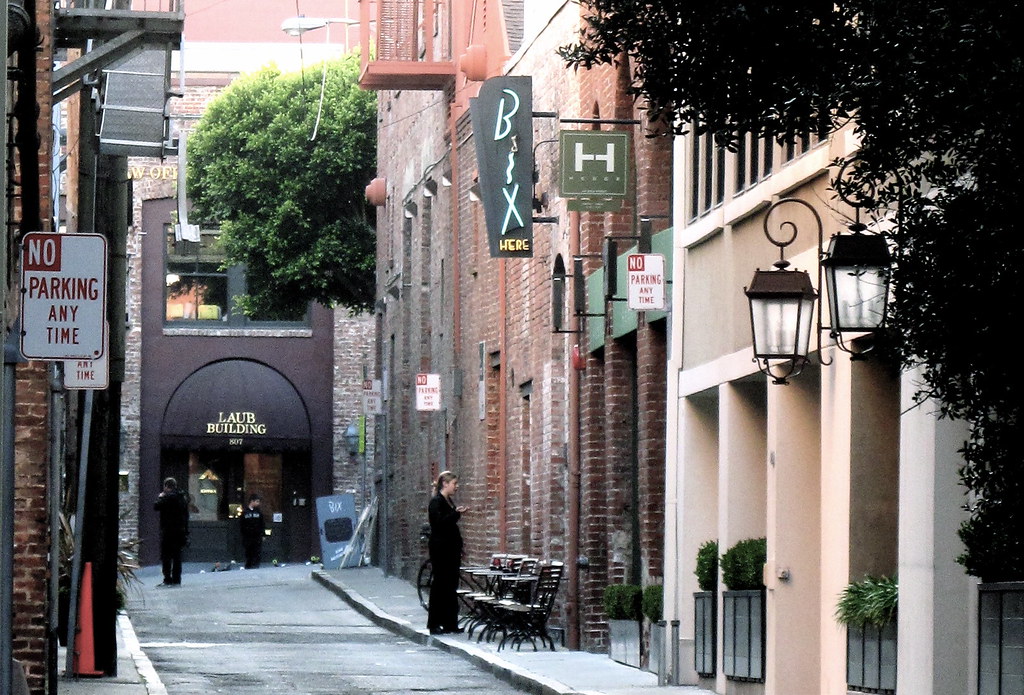
In a move that underscores the ongoing debate shaping San Francisco's housing future, Mayor London Breed recently exercised her veto power against a bill aimed at limiting density in several of the city’s historic districts. The bill, introduced by Board of Supervisors President Aaron Peskin, proposed restrictions within areas such as the Northeast Waterfront Historic District and Jackson Square Historic District. This decision comes at a time of heightened political tension between Mayor Breed and Aaron Peskin, with the latter anticipated to challenge Breed in the forthcoming mayoral race.
The heart of this dispute revolves around contrasting visions for San Francisco's housing development. Peskin's bill, which saw an 8-3 vote in its favor, emerged against the backdrop of proposed housing towers at the base of Telegraph Hill, including significant projects at 955 Sansome Street, 1088 Sansome, and 875 Sansome. These developments sparked a debate on the potential impact on the historic districts Peskin aims to protect.
Mayor Breed's veto is a bold statement of her dedication to spurring housing development across the city, emphasizing the urgent need to achieve San Francisco's goal of approving 82,000 homes by 2031. In her message to the Board of Supervisors, Breed critiqued the bill as a detrimental "anti-housing policy" under the guise of historic preservation. She stresses the importance of balancing the protection of San Francisco’s heritage with the city's dire housing needs.
This legislative standoff highlights a broader political battle concerning San Francisco's future direction, especially in terms of housing. As Breed prepares for a challenging reelection bid, her veto reiterates her commitment to eliminating obstacles to housing production, a fundamental element of her policy agenda. In contrast, Peskin champions historic preservation, advocating for a balanced approach that respects both neighborhood character and the necessity for new housing.
The fate of overriding Mayor Breed's veto remains uncertain, with Supervisor Catherine Stefani's decision critical to the outcome. Despite her initial support, Stefani's reluctance underscores the complexity of balancing historic preservation with housing development, reflecting a city divided on its path forward.
As San Francisco finds itself at a pivotal juncture, the discourse encapsulates the city's challenge to reconcile its storied past with an urgent need for more housing. Mayor Breed is adamant about opposing legislation she believes stalls housing growth, insisting current regulations adequately protect historic resources.
This pivotal moment in San Francisco's political landscape calls for a concerted effort among all parties to engage in constructive dialogue and collaboration. As we navigate these turbulent times, the need for solutions that champion both neighborhood integrity and housing accessibility is paramount. San Francisco's future vibrancy and inclusivity hinge on its ability to welcome change while preserving its rich history.
Considering the impact of Mayor Breed's recent veto on your real estate plans in San Francisco? Reach out to me. Let's discuss how we can together navigate the evolving dynamics of San Francisco's housing market, ensuring you're well-informed and prepared for what lies ahead.

In the ever-evolving landscape of the 2024 real estate market, the spotlight is firmly on the Federal Reserve's upcoming decisions regarding interest rates. This Wednesday's Federal Open Market Committee (FOMC) meeting is highly anticipated, with the real estate sector, particularly in San Francisco’s neighborhoods like Noe Valley and Bernal Heights, hanging on the potential implications of the Fed's stance amid ongoing inflation concerns.
With inflation rates not easing as expected—showing a stubborn persistence at 3.2% in February, significantly above the Fed's 2% target—the Federal Reserve finds itself in a tricky position. The economic indicators suggest a challenging path ahead, with the initial hopes of rate reductions now clouded by the necessity to keep inflation in check. This scenario places a spotlight on the Fed's next steps, as adjustments to the benchmark interest rate have far-reaching implications, directly influencing mortgage rates and, by extension, the San Francisco housing market's vibrancy.
The connection between the Federal Reserve's policies and the real estate market's dynamics cannot be overstated. The cost of borrowing, pivotal for prospective homeowners, is intrinsically tied to the Fed's interest rate decisions. For San Francisco, a city characterized by its competitive yet rewarding housing market, these decisions could either fuel continued demand in sought-after areas or introduce new challenges for buyers and sellers alike.
The current uncertainty, driven by the Fed's cautious approach to tackling inflation, adds an extra layer of complexity to the real estate equation. Those looking to buy or sell in neighborhoods like Noe Valley and Bernal Heights may face a market that's simultaneously competitive and susceptible to shifts in mortgage rates, echoing the broader economic landscape's volatility.
The upcoming "dot plot," detailing the FOMC members' rate projections, is eagerly awaited for the insights it will provide into the Federal Reserve's future direction. With initial expectations of rate cuts possibly being scaled back due to inflationary pressures, the real estate market braces for the implications. A more cautious rate reduction approach could signal a tighter balancing act between stimulating economic growth and managing inflation risks.
In this climate, buyers are advised to remain vigilant and adaptable, poised to act as the borrowing landscape evolves. Sellers in high-demand areas must consider how interest rate fluctuations could influence buyer interest and their property's market positioning, potentially impacting both the timing and pricing of their offers.
As we await the Federal Reserve's decisions in the face of complex inflation challenges, the San Francisco real estate market readies for the possible outcomes. Whether the forthcoming period sees sustained demand driven by favorable interest rates or adjustments due to economic policy shifts, staying informed and consulting with real estate experts will be key to successfully navigating 2024's market dynamics.
If you're pondering your next move in San Francisco's fluctuating real estate market, text me.
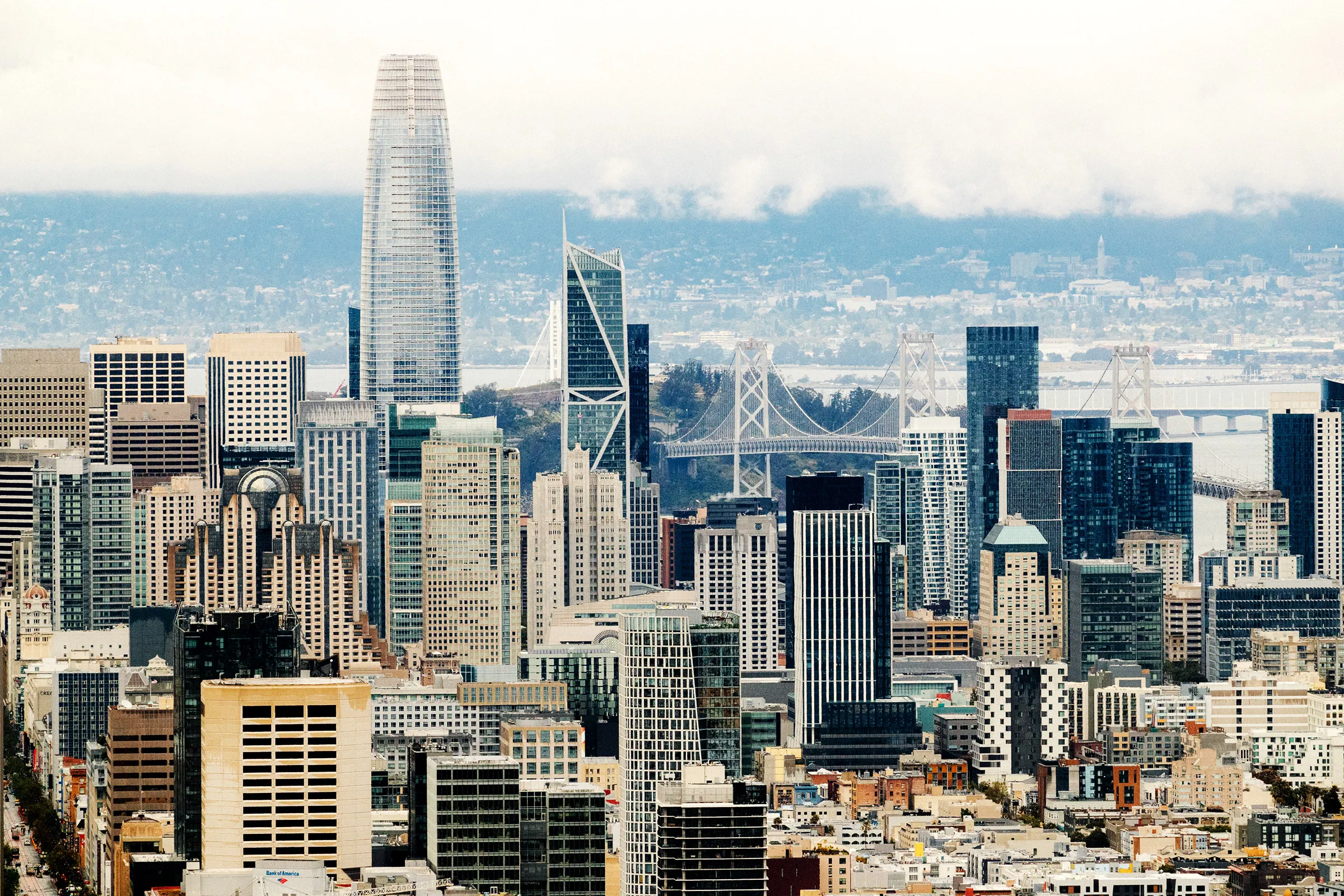
Downtown San Francisco, once the pulsating heart of the city renowned for its lively streets, bustling businesses, and skyline-defining residences, is witnessing a transformation that's reshaping the landscape of condo living. A noticeable uptick in office vacancy rates is casting a new light on the area, notably affecting the desirability and value of condominiums and redefining downtown's allure.
The charm of downtown San Francisco, a magnet for those drawn to its dynamic urban lifestyle, is experiencing a decline. This shift, largely fueled by changes in the commercial real estate sector, sees businesses scaling back or embracing remote work models, leaving once-bustling office spaces empty. This trend is triggering a ripple effect that's hitting the residential condo market hard, challenging the previously unassailable premium placed on downtown's residences.
This seismic shift in office occupancy is placing downtown San Francisco's condo values under unprecedented scrutiny. With the daily influx of professionals dwindling, the demand for residential units in proximity to workplaces is waning, exerting downward pressure on prices. The allure of downtown living is being reassessed as potential buyers now seek neighborhoods that promise a more engaged community atmosphere or a better investment return, leaving many condos in the downtown corridor struggling to attract interest.
The intricate link between downtown's commercial vitality and the residential real estate market underscores the complex nature of the current scenario. The commercial downturn impacts not only the city's economic health but also the residential appeal and property values. As offices vacate, the support network of retail, dining, and entertainment options that once made downtown living attractive faces its own crisis, further complicating the picture for condo sellers and buyers alike.
For those looking to sell condos in downtown San Francisco, today's market demands a nuanced strategy. Sellers need to be attuned to the broader economic trends, recalibrate their pricing to align with current market conditions, and compellingly showcase the unique attributes of their property to capture the interest of the right buyer demographic.
Despite the challenges, the narrative of downtown San Francisco is far from static. The city is known for its resilience and capacity for reinvention. Initiatives to rejuvenate the commercial sector, innovative conversions of office spaces, and efforts to enhance downtown's livability could signal a revival. For the astute investor or buyer, the present situation might offer unique opportunities to secure prime properties at competitive prices, with an eye on downtown's future resurgence.
The evolution of downtown San Francisco's condo market, prompted by the commercial sector's recalibration, presents a mixed bag of challenges and opportunities. As the city adapts to these changes, the agility of the real estate market will be crucial. For those pondering a sale or eyeing investment possibilities in this dynamic environment, the guidance of a seasoned real estate expert is invaluable.
Thinking about navigating the evolving condo market in downtown San Francisco? Text me. Let's leverage my expertise to help you make informed decisions, whether you're selling your condo or exploring new investment avenues in this transformative period.

As the Bay Area welcomes the rejuvenating energy of spring, we're witnessing an exhilarating surge in real estate activity that spans from the heart of San Francisco to the luxury enclaves of Marin and Silicon Valley. This season has brought a wave of buyer engagement and transactions that underscore the region's appeal, painting a picture of vibrancy and growth as we progress through 2024.
San Francisco's market is in the midst of a springtime revival, echoing the heightened activity of its luxury neighbors. With longer, sunnier days replacing the winter gloom, the city's real estate scene is buzzing with life. This resurgence is particularly noticeable in coveted neighborhoods, where the promise of urban luxury living continues to attract a diverse array of buyers. San Francisco's unique fusion of historical allure, cultural depth, and modern sophistication is capturing the hearts of many, signaling a broader Bay Area revival.
Just as in Marin and Silicon Valley, San Francisco's real estate market thrives under the influence of spring's favorable weather. This natural shift not only makes property explorations more enjoyable but also injects a renewed sense of optimism into the market. In a city where breathtaking urban and natural landscapes meet, spring amplifies San Francisco's charm, enticing buyers with the prospect of a dynamic urban lifestyle.
The simultaneous upturn in San Francisco and its neighboring luxury markets highlights a unified resurgence across the Bay Area's real estate landscape. While Marin and Silicon Valley appeal to those seeking suburban tranquility or proximity to tech hubs, San Francisco offers a vibrant urban experience steeped in luxury and exclusivity. This collective surge in demand across varied yet connected markets showcases the wide-ranging yet uniformly strong appetite for high-end living in the Bay Area.
As the spring market continues to flourish, several key trends are emerging across San Francisco and its luxury counterparts. There's a growing demand for properties that blend opulence with practicality, an intensifying competition for premier listings, and a rising value placed on homes offering distinctive lifestyle benefits. These trends not only highlight the interconnectedness of the Bay Area's markets but also hint at the momentum that could shape the real estate scene in 2024.
Tackling the vibrant surge in San Francisco's real estate market and its surrounding areas requires in-depth knowledge and a strategic approach. Whether you're looking to sell a cherished property or in search of your ideal home, partnering with a seasoned real estate expert is essential. A professional equipped with a thorough understanding of the markets' dynamics can help you capitalize on the opportunities presented by this lively spring season.
The concurrent upswing in real estate activity across San Francisco and its neighboring luxury markets heralds a season full of promise and dynamic evolution. As these areas move together, offering an array of exquisite living options, the Bay Area reaffirms its position as a top choice for discerning buyers. For individuals ready to dive into these thriving markets, the opportunities are abundant and ripe for the taking.
Interested in the bustling San Francisco real estate market or eyeing luxury properties in Marin or Silicon Valley? Text me for personalized guidance and insights to successfully navigate this vibrant spring market.
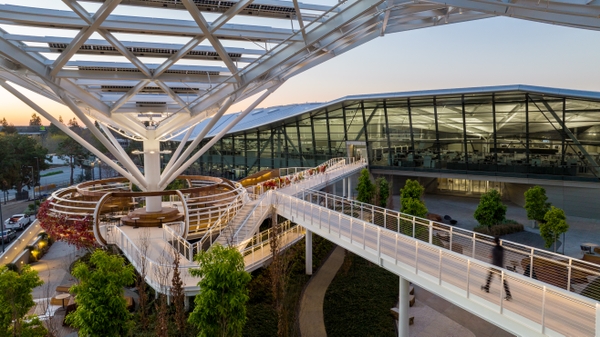
As San Francisco teeters on the edge of a new technological era, the rising prominence of AI companies, spearheaded by industry leaders like OpenAI and Nvidia, is breathing new life into the city's real estate scene. This emerging trend draws a compelling parallel to the tech boom of the early 2010s, signifying a period of robust growth and change for one of the globe's most renowned cityscapes.
The establishment of leading AI firms in San Francisco not only reaffirms the city's status as a tech stronghold but also acts as a catalyst for increased housing demand. The allure of being at the AI innovation forefront is attracting a global workforce, eager to contribute to and partake in this technological advancement. This influx of talent is amplifying the need for residential spaces, from modern condos in the city's heart to opulent homes in areas like Noe Valley and Bernal Heights, reminiscent of the growth surge seen during the tech boom's dawn.
AI enterprises are infusing the San Francisco real estate market with new vigor in several key ways. The industry's lucrative pay and significant investments are boosting a subset of the buyer market's financial capabilities, thereby enhancing property values and facilitating a series of premium real estate deals. Employees and executives keen on making San Francisco their home are propelling this trend further. Simultaneously, the sector's anticipated expansion is capturing investors' attention, drawing them toward both residential and commercial prospects, with a keen eye on the AI sector's growth potential.
San Francisco's current real estate trajectory mirrors the explosive growth period of the early 2010s, marked by the tech industry's rapid escalation and its profound effect on housing dynamics. The entrance of OpenAI, Nvidia, and their contemporaries harks back to the ascent of giants like Google and Facebook, with a notable shift towards AI's boundless potential to reshape societal and economic landscapes, reinforcing San Francisco's pivotal role in the tech realm.
For those eyeing San Francisco's market, recognizing the nuances of this AI-induced transformation is essential. Buyers, especially those linked to the AI sphere, may encounter a fiercely competitive market, with sought-after properties receiving numerous bids. Sellers are presented with an opportune moment to leverage the surging demand, especially for homes that resonate with the affluent, tech-oriented demographic flocking to the city for its AI boom.
Looking forward, the impact of AI firms on San Francisco's real estate is poised to deepen. The city's innovation legacy, coupled with the relentless influx of AI talent and capital, promises to dictate market trends for the foreseeable future. For market participants, staying abreast of these developments and remaining flexible will be crucial in capitalizing on the opportunities heralded by San Francisco's tech evolution.
Considering a real estate venture in San Francisco amidst the AI surge? Text me.
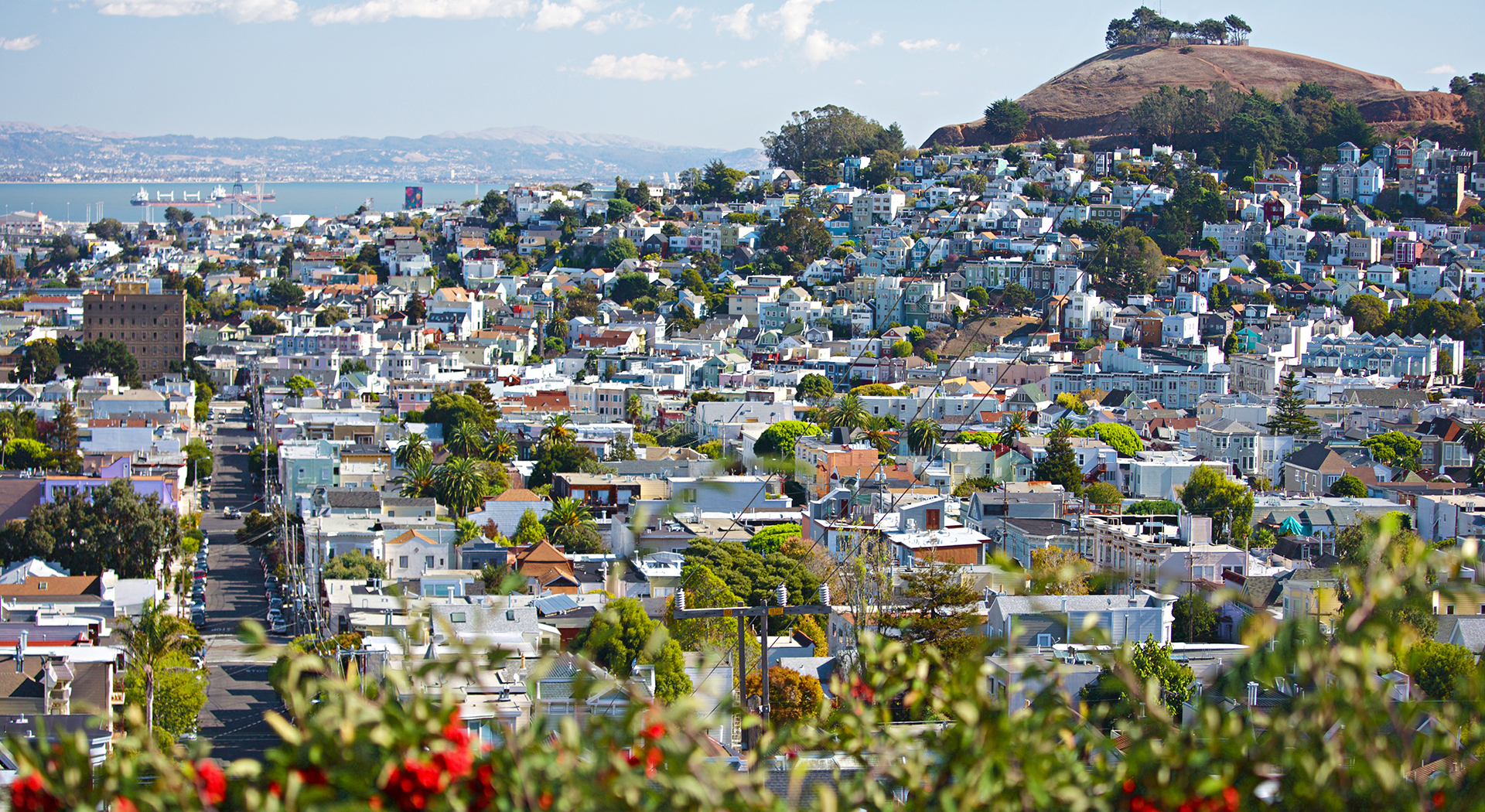
San Francisco is on the cusp of a housing revolution. With the innovative "Housing for All" initiative, the city is tackling the housing crisis head-on, streamlining the permit process and promoting the development of a broader range of housing options, especially in the affordable sector. Spearheaded by SF Planning, alongside Mayor London N. Breed and key members of the Board of Supervisors, this initiative marks a pivotal step toward fostering a more inclusive and equitable housing landscape for every San Franciscan.
At the core of "Housing for All" are pivotal legislative reforms aimed at dismantling bureaucratic barriers and creating a unified, predictable zoning framework. These reforms are crafted to accelerate housing delivery by simplifying processes and amplifying incentives for new affordable housing projects. The ultimate aim? To establish a fairer housing development approach by eliminating undue hearings, easing zoning laws, and significantly boosting affordable housing incentives.
Streamlining the Approval Process: San Francisco is set to cut the red tape for compliant housing projects, abolishing conditional use hearings for construction on large parcels and within existing height boundaries, among other streamlining measures.
Relaxing Zoning Laws: The initiative also includes plans to loosen zoning and geographic restrictions that have historically curtailed housing development, such as lifting conditional use for senior housing outside specific commercial districts and broadening the zones where homeless shelters can be established.
Boosting Affordable Housing Incentives: A major thrust of the initiative is enhancing the city's affordable housing stock by easing restrictions on key programs and introducing fee waivers for projects that capitalize on the State Density Bonus.
Enhancing Permit Processing Efficiency: San Francisco is overhauling its housing review process to reduce permitting times, including reforming the "Site Permit" process and setting clear timelines for development application responses.
These strategic enhancements herald a transformative era for San Francisco's housing scene, aiming to make it more attainable and welcoming. By refining the permit process and incentivizing affordable developments, the city is addressing its housing shortfall and championing a diverse, thriving community.
For potential homeowners and developers, these shifts signify a more streamlined journey to launching new homes in the market, particularly in high-demand locales. The promise of expedited, more predictable development processes is poised to spur investment and community revitalization across the city.
The "Housing for All" initiative represents San Francisco's ambitious stride toward rectifying its housing challenges. By cutting through bureaucratic hurdles and championing affordable development, the city is laying the groundwork for a future where accessible, quality housing is a reality for all. As these reforms take shape, they not only offer a blueprint for other cities facing similar predicaments but also affirm San Francisco's commitment to creating a balanced, equitable housing market.
Curious about how these housing production and process improvements could impact your property or future home in San Francisco? Reach out to me. Let's explore the possibilities and navigate the evolving landscape of San Francisco's real estate together.
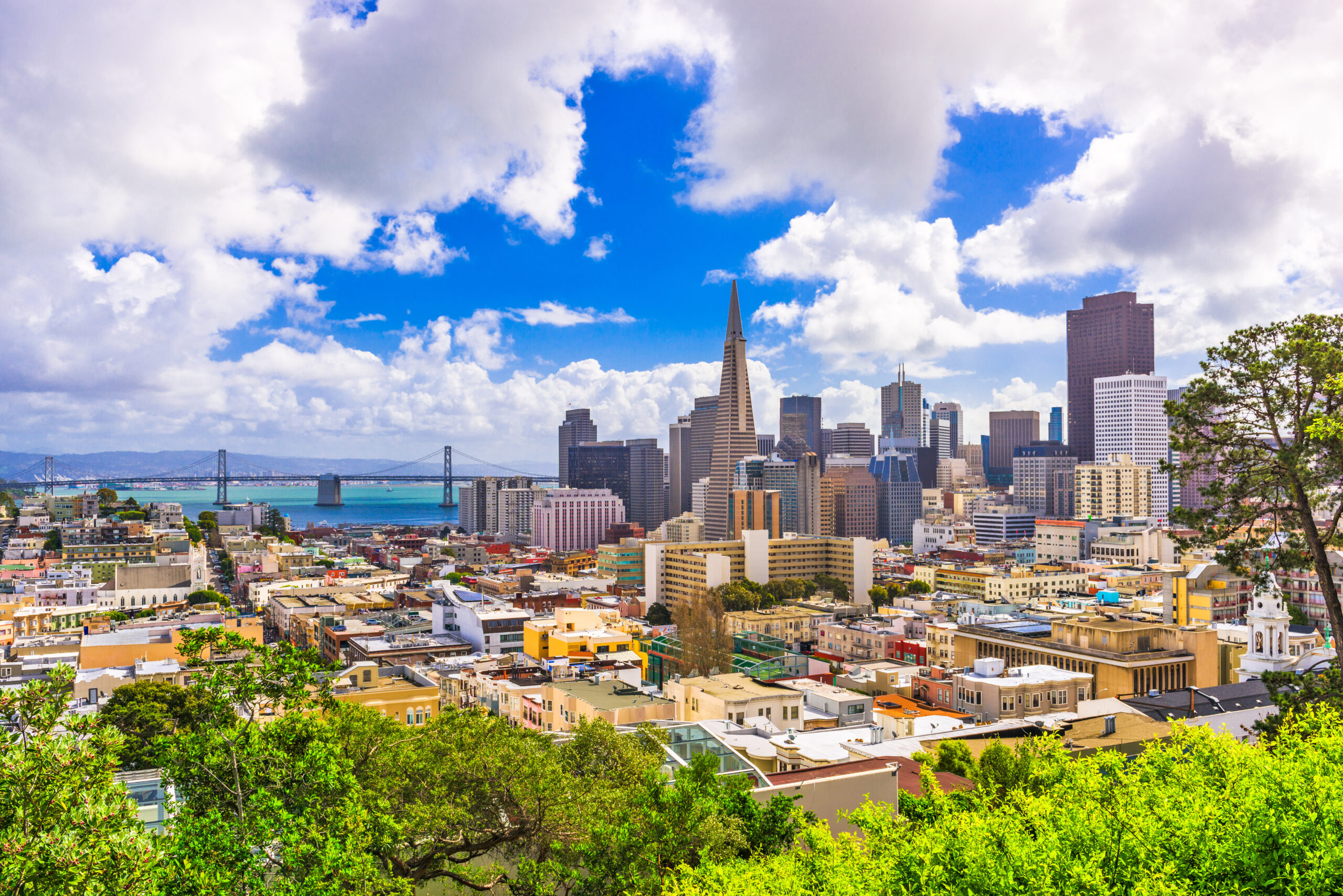
San Francisco, a city synonymous with breathtaking landscapes, a rich tapestry of cultures, and a beacon of innovation, epitomizes resilience. Despite being frequently underestimated, San Francisco has consistently demonstrated an unparalleled capacity to rise from adversity, stronger and more vibrant. This spirit of resilience is a hallmark of its real estate market as well—a sector defined by its limited supply and intense competitiveness, showcasing the city's desirability and geographical constraints.
San Francisco's history is a testament to its ability to rebound with vigor. From rebuilding after devastating earthquakes to overcoming economic challenges, the city has continually reinvented itself. This cycle of rebirth has cemented San Francisco's reputation not just as a survivor, but as a thriving hub of culture and innovation on the West Coast. Its resilience shines as a beacon of opportunity, encouraging residents and investors alike to see potential in every challenge.
The allure of San Francisco extends beyond its scenic beauty and technological milestones. It's the city's soul—its diverse communities, historical richness, and cultural vibrancy—that positions it as a cornerstone of the West Coast's dynamic spirit. This cultural depth infuses the real estate market with a value beyond mere land, framing property ownership in San Francisco as an investment in a distinctive lifestyle and enduring legacy.
Characterized by its finite development space, San Francisco's real estate market confronts unique challenges. With limited land available for new construction, the city must creatively accommodate its growing population within existing geographical limits. This scarcity fuels a competitive market where demand significantly surpasses supply, rendering every square foot a valuable commodity and every listing highly sought after.
As San Francisco navigates legislative efforts to increase housing supply through zoning changes and diversification of home types, the market is on the cusp of transformation. Initiatives to introduce more condos, tenancies in common, and multi-unit homes are set to redefine the city's housing landscape. Amid these changes, single-family homes are poised to become an even rarer and more valuable asset, potentially appreciating in value as the city expands its housing options to accommodate more residents.
San Francisco's real estate market mirrors the city itself: ever-resilient, vibrant, and evolving. Despite facing geographical and legislative challenges, San Francisco continues to adapt, offering opportunities for growth and investment. For those looking to dive into this dynamic market, it offers not just a place to reside but a chance to be part of the city's legacy of resilience and renewal.
If you're considering making a move in San Francisco's unique real estate landscape, text me. Let's leverage my expertise to discover the opportunities that await you in this extraordinary city.
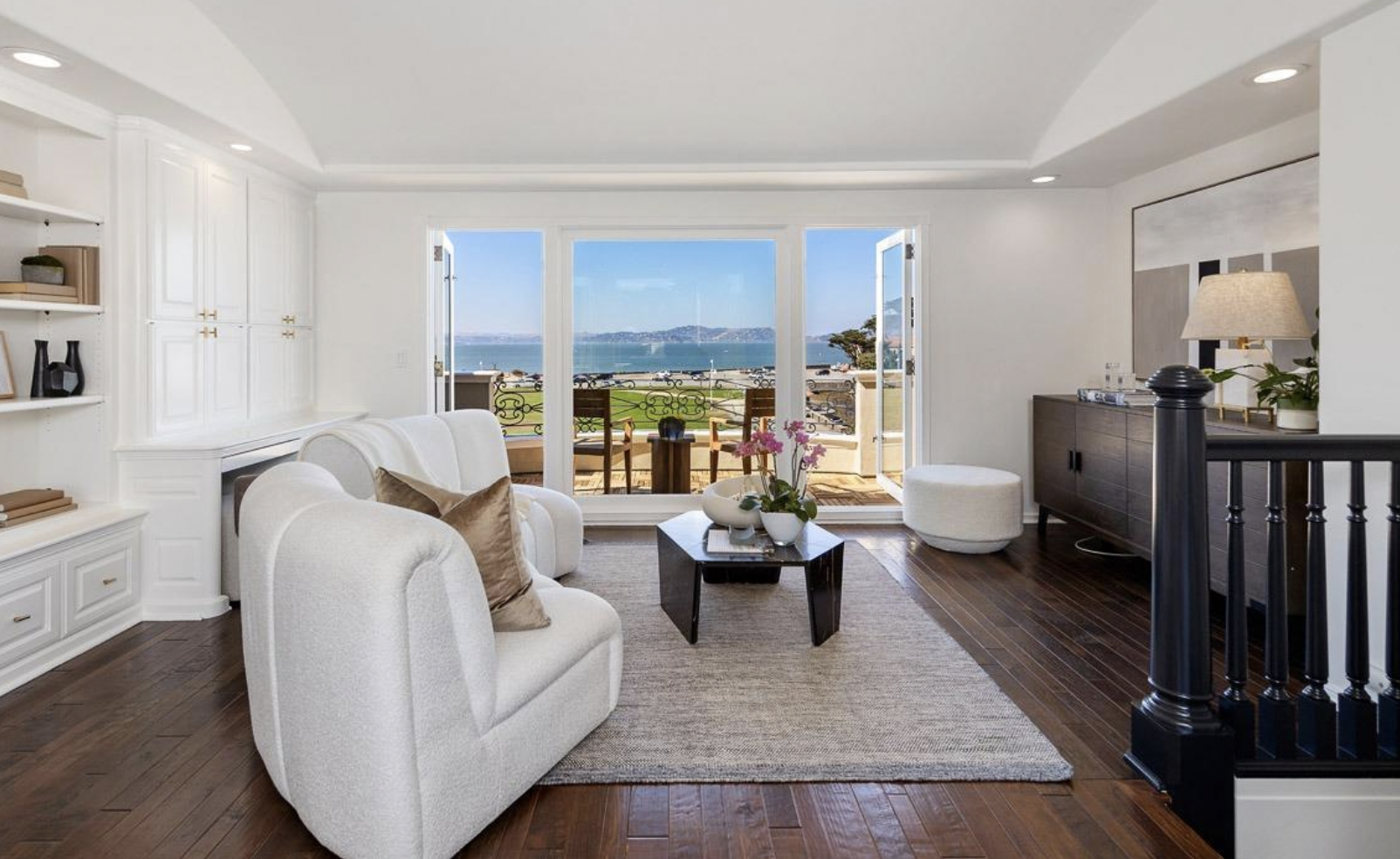
In the luxurious enclaves of San Francisco's Northside, from the historical grandeur of Pacific Heights to the serene elegance of Cow Hollow, a unique dilemma faces homeowners in today's real estate market. Despite the allure of historically low interest rates, many sellers are grappling with the decision to list their properties. The enticement of a 2.5% interest rate has been a golden handcuff, creating hesitation among potential sellers who are wary of losing such favorable borrowing conditions. Yet, as the spring of 2024 approaches, the opportunity cost for holding onto these rates is becoming increasingly evident, spotlighting a pivotal moment for property owners considering their next move.
The Golden Handcuff of Low Interest Rates
The past few years have seen interest rates dip to unprecedented lows, offering homeowners the chance to lock in rates that significantly reduce their monthly mortgage payments. This financial boon has, understandably, led many to question the wisdom of selling, fearing that any future property purchase would come with higher rates and, consequently, higher costs. This scenario has created a bottleneck in inventory, as potential sellers opt to stay put, contributing to the ongoing scarcity of luxury homes on the market.
Opportunity Cost Grows as the Market Evolves
However, the real estate landscape is shifting. San Francisco's Northside, a perennial favorite among high net worth individuals and families for its unparalleled lifestyle and community amenities, is witnessing a growing demand for luxury homes. This demand, coupled with the limited inventory, presents a unique opportunity for sellers. The potential to achieve premium prices for their properties is increasing, urging homeowners to reconsider the true cost of clinging to low interest rates.
As the market stands on the cusp of a significant uptick in activity, the opportunity cost of not selling — and thereby not capitalizing on the current demand — becomes a crucial consideration. Homeowners are now weighing the benefits of securing a substantial return on their investment against the advantages of low mortgage payments.
Making Strategic Moves in a Shifting Market
For those contemplating a sale, the current market conditions offer a compelling argument to act. With buyers actively seeking out luxury homes in San Francisco's most coveted neighborhoods and inventory remaining tight, sellers are in a prime position to negotiate favorable terms. Moreover, the financial gains from a successful sale could offset the potential increase in mortgage rates, especially if reinvested wisely or used to purchase additional properties in a strategic manner.
The Role of Expert Guidance
In navigating these complex decisions, the value of expert real estate guidance cannot be overstated. A seasoned advisor can provide a nuanced understanding of the market dynamics, help assess the potential returns of selling versus holding, and strategize the timing and presentation of a property to maximize its appeal. For homeowners in San Francisco's Northside, partnering with a knowledgeable professional can make the difference between capitalizing on a favorable market and missing out on a strategic opportunity.
Weighing the Decision to Sell
The decision to sell a luxury property in San Francisco's Northside amidst historically low interest rates is multifaceted, requiring a careful consideration of market trends, personal financial goals, and the evolving landscape of luxury real estate. As the opportunity cost of holding onto low rates becomes increasingly apparent, sellers are encouraged to explore their options, armed with the knowledge that the current market offers a unique window to achieve exceptional outcomes.
For those considering whether now is the right time to sell, text me.
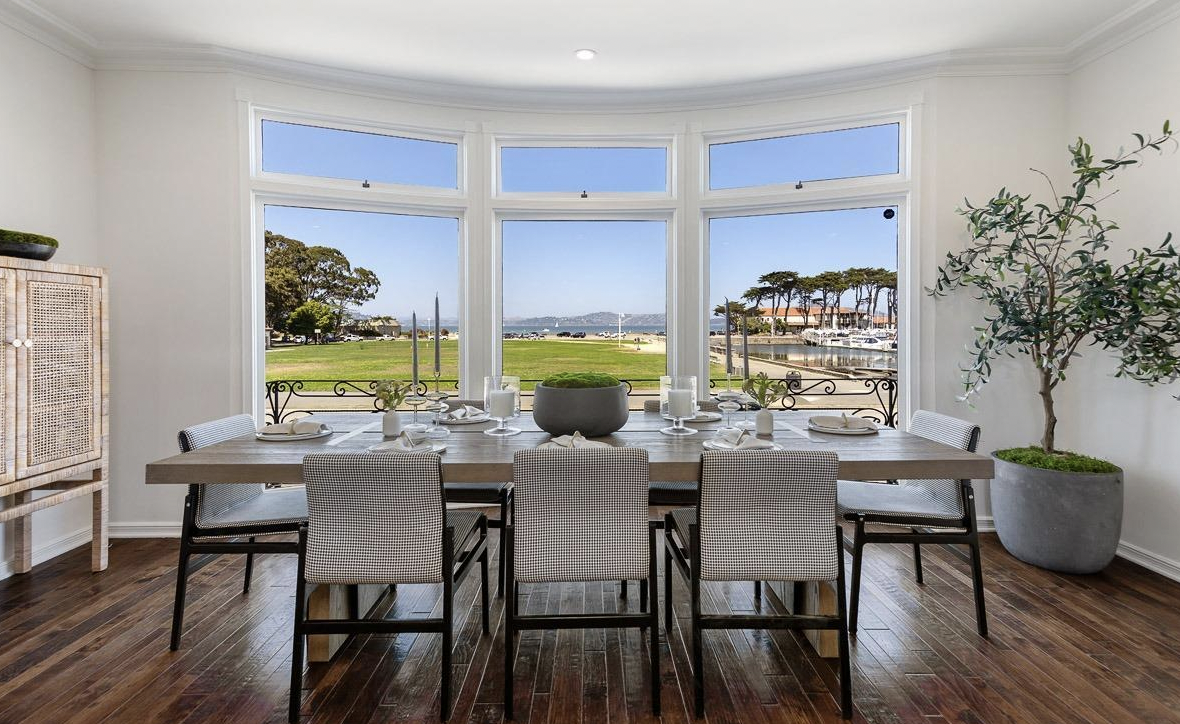
As the real estate landscape of San Francisco's Northside—encompassing the prestigious neighborhoods of Pacific Heights, Cow Hollow, and Russian Hill—continues to evolve, a stark contrast emerges between the booming demand for single-family homes and the relatively subdued interest in the condominium market. This divergence highlights a significant shift in buyer priorities, emphasizing a growing preference for space, privacy, and exclusivity over the convenience and maintenance-free lifestyle typically associated with condo living.
A Market Driven by Desire for Space and Exclusivity
The surge in demand for single-family homes in these prestigious neighborhoods is fueled by high net worth individuals seeking not just a residence, but a sanctuary. The pandemic era has reshaped priorities, with more people valuing the privacy, additional space, and personalization that single-family homes offer. This shift towards a more home-centric lifestyle has intensified the competition for such properties, making them even more coveted in the luxury market.
Navigating a Competitive Landscape
For potential buyers, this heightened demand presents both challenges and opportunities. On one hand, the competition for single-family homes in San Francisco's Northside is fierce, with properties often receiving multiple offers soon after listing. On the other hand, the robust interest in these homes signifies a healthy market, promising a solid investment for those who can navigate the landscape successfully.
Strategic timing, preparedness, and a clear understanding of one’s priorities are key. Buyers must be ready to act swiftly, with financing in order and a comprehensive grasp of what they seek in a Northside home. In this market, decisiveness paired with the right guidance can make all the difference.
The Sellers' Advantage
For sellers, the persistent demand for single-family homes translates into a significant advantage. Now more than ever, sellers are in a position to capitalize on the unique appeal of their properties. With the right presentation and marketing strategy, it's possible to attract serious buyers willing to pay a premium for the luxury of space, privacy, and the distinctive charm that only a single-family home in San Francisco's Northside can offer.
Single-Family Homes: The Unyielding Demand
The appetite for single-family homes in San Francisco's Northside has reached unprecedented levels, driven by high net worth individuals and families seeking more than just a place to reside. They are in pursuit of a sanctuary that offers ample space, unparalleled privacy, and the charm of unique architectural details—qualities that single-family homes provide in spades. This surging demand is a clear response to the changing dynamics of how people envision their ideal living spaces, particularly in the wake of the pandemic, which has brought the desire for comfort and personal space to the forefront.
Condominiums: Facing a Different Reality
Contrastingly, the condominium market in the same neighborhoods tells a different story. While condos offer the allure of a low-maintenance lifestyle and often come with desirable amenities, they haven't seen the same level of demand as single-family homes. The reasons are multifaceted, including concerns over shared spaces and a desire for more control over one's living environment. As a result, the condo market faces challenges, with longer listing durations and a more competitive pricing strategy to attract potential buyers.
The divergent trends in San Francisco's Northside real estate market illustrate a broader narrative of changing preferences and opportunities. While the demand for single-family homes soars, creating a competitive environment for buyers, the condominium market offers its own set of advantages for those looking to capitalize on the current conditions. Regardless of your preference, the key to success lies in understanding the market dynamics and leveraging professional expertise to navigate this complex landscape.
Text me for tailored advice on buying or selling in San Francisco's Northside.

In the heart of San Francisco's luxury real estate market, the presentation of a property goes beyond mere aesthetics—it's an essential strategy that significantly impacts a home's appeal and its final offer price. In neighborhoods like Pacific Heights and The Marina, known for their opulent residences and discerning clientele, the role of luxury staging emerges as a critical factor in the successful sale of high-end properties.
The Magic of First Impressions
First impressions are paramount in real estate, especially in the luxury segment where expectations are exceedingly high. Luxury staging, when executed with precision, transforms a property into a captivating showcase, highlighting its best features while allowing potential buyers to envision themselves living in the space. It's about creating an emotional connection, an instant appeal that resonates with the lifestyle aspirations of prospective buyers.
Tailored Interiors That Speak Volumes
Luxury staging in San Francisco's premier neighborhoods is not a one-size-fits-all approach. It requires a nuanced understanding of the market, the property's architecture, and the target demographic. Tailored interiors that reflect the unique character of the home while appealing to the lifestyle of high net worth individuals can significantly elevate the property's perceived value. Whether it's contemporary minimalism, classic elegance, or modern luxury, the staging must speak the language of potential buyers, enticing them to make a competitive offer.
Strategic Staging Leads to Higher Offers
Evidence from the San Francisco luxury market consistently shows that well-staged homes sell faster and for higher prices than their non-staged counterparts. By eliminating distractions, showcasing functional spaces, and enhancing the property's architectural virtues, staging makes the home more marketable. This strategic presentation not only increases the property's appeal but also creates a sense of urgency among buyers, often leading to multiple offers that drive up the final sale price.
The Investment That Pays Off
Investing in luxury staging is a strategic decision that pays dividends in the competitive San Francisco real estate market. Sellers who allocate resources to professionally stage their homes are positioning their properties as premium offerings in the market. This investment not only maximizes the home's potential but also shortens the sales cycle, reducing the time the property spends on the market.
Conclusion: A Strategic Necessity in Luxury Real Estate
As we navigate the intricate dynamics of San Francisco's luxury real estate market, the importance of luxury staging cannot be overstated. It is a powerful tool that elevates the sale process, transforming properties into highly desirable homes that capture the imagination and bids of affluent buyers. For sellers looking to achieve the best possible outcome in neighborhoods like Pacific Heights and The Marina, luxury staging is not just an option—it's a strategic necessity.
For sellers ready to take their luxury property to the next level and captivate the discerning San Francisco market, text me. Together, we can craft a staging strategy that highlights your home's best features, attracts premium offers, and ensures a successful sale.

This week marks a significant moment for the luxury real estate market in San Francisco's Northside, with an influx of new listings presenting fresh opportunities for discerning buyers. Neighborhoods like Pacific Heights, Cow Hollow, Russian Hill, and The Marina, long celebrated for their exclusive residences and vibrant community life, are witnessing a notable increase in inventory. This surge not only reflects the dynamic nature of San Francisco's real estate landscape but also signals a prime time for buyers and sellers to engage with the market.
A Welcomed Increase in Luxury Listings
For buyers, the introduction of more inventory is a breath of fresh air in a market that has traditionally been tight on options. The additional listings provide a broader range of choices, catering to the diverse tastes and preferences of high net worth individuals looking for luxury homes that offer both style and substance. From architecturally significant estates to modern minimalist retreats, the variety of properties coming to market ensures that every buyer can find a space that resonates with their vision of luxury living.
Strategic Advantage for Buyers and Sellers
Sellers, too, stand to gain from the increased inventory. With more properties on the market, there's a heightened interest in open houses and private showings, drawing in potential buyers who are keen to explore what San Francisco's Northside has to offer. This surge in activity creates a dynamic market environment where well-presented properties can capture the attention of multiple buyers, potentially leading to competitive offers that maximize the seller's return on investment.
Timing is Everything
The timing of this inventory increase couldn't be more opportune. Spring in San Francisco brings not just blooming landscapes and milder weather but also a resurgence of activity in the real estate market. Buyers are more inclined to embark on house-hunting ventures, and sellers are eager to showcase their homes in the best possible light. This seasonal alignment, coupled with the current uptick in listings, creates a ripe environment for transactions to flourish.
Navigating the Market with Expertise
Whether you're looking to purchase your dream home or considering listing your property, navigating the nuances of San Francisco's luxury real estate market requires expertise and insight. The current landscape, with its expanding inventory and springtime vigor, offers unique opportunities for both buyers and sellers. However, success in this competitive market is often contingent on having the right guidance and strategic advice.
As a seasoned expert in San Francisco's Northside real estate, I'm here to help you make the most of this spring surge. Whether you're curious about the latest listings or need advice on preparing your home for sale, text me.

As spring blossoms across San Francisco, a notable trend is emerging in the luxury real estate sector, particularly within the exclusive enclaves of Pacific Heights, Cow Hollow, Russian Hill, and The Marina. The arrival of sunny weekends has proven to be a significant catalyst for buyer enthusiasm, sparking an increase in open house attendance and accelerating decision-making processes. This phenomenon underscores the unique interplay between weather, buyer behavior, and the dynamics of the luxury real estate market in San Francisco.
The Sunny Weekend Effect on Buyer Behavior
The impact of pleasant weather on real estate activity cannot be overstated. Sunny weekends in San Francisco not only showcase the city's natural beauty and the architectural elegance of its luxury homes but also foster an optimistic outlook among potential buyers. This psychological boost encourages more people to explore open houses, engage with agents, and envision themselves in these prestigious neighborhoods. The enhanced mood and increased foot traffic often translate into a higher volume of offers, as buyers are more inclined to commit under the bright skies of a perfect San Francisco day.
Maximizing Opportunities in Favorable Conditions
For sellers, understanding the sunny weekend effect is crucial to strategizing the listing and showcasing of their properties. Timing open houses to coincide with favorable weather conditions can dramatically increase visibility and interest. Moreover, staging properties to highlight outdoor living spaces, panoramic views, and the seamless integration of indoor and outdoor environments can further capitalize on the allure of sunny weekends. Sellers who adeptly leverage these natural advantages often find themselves in a position to command premium pricing and attract competitive offers.
Strategies for Buyers in a Sunlit Market
Buyers, on the other hand, face a unique set of challenges and opportunities under the influence of sunny weekends. The increased competition for viewing and bidding on properties requires a proactive and prepared approach. Buyers should prioritize obtaining pre-approval for financing, clarifying their must-have features, and establishing a clear communication line with their real estate agent to act swiftly when the right property becomes available. Embracing the momentum of sunny weekends can be a decisive factor in securing a dream home in the competitive San Francisco luxury market.
Conclusion
A sunny weekend in San Francisco's luxury real estate market presents a unique opportunity for both buyers and sellers to achieve their goals with added vigor. By understanding and leveraging the positive impact of good weather on buyer enthusiasm, sellers should gear up to host as many open houses as possible to ensure they get the attention they need to sell for the price they're seeking.
For those poised to explore the vibrant opportunities of San Francisco's luxury real estate market this sunny spring, text me.

As the winter chill fades and the vibrant hues of spring take hold, San Francisco's luxury real estate market is experiencing a palpable uptick in open house activity, signaling a seasonal awakening that promises new opportunities for buyers and sellers alike. The prestigious neighborhoods of Pacific Heights, Cow Hollow, Russian Hill, and The Marina, renowned for their stunning architecture and breathtaking views, are at the center of this bustling activity. This surge is not just a testament to the cyclical nature of real estate; it's a reflection of the unique allure of San Francisco's luxury market and the strategic opportunities it presents.
A Season of Renewal and Opportunity
Spring has traditionally been a time of renewal, and in the realm of real estate, this season marks an ideal time for transactions. For sellers, the increased foot traffic and heightened interest create an optimal environment to showcase their properties. The natural beauty of San Francisco in spring, with its clear skies and blooming landscapes, enhances the curb appeal of these luxury homes, making them even more enticing to potential buyers.
Navigating the Competitive Landscape
For buyers, the increase in open house events offers a rare opportunity to explore a wide range of properties in a condensed timeframe. However, this also means navigating a highly competitive landscape where preparation and speed are key. Buyers ready with pre-approval letters, clear requirements, and the flexibility to make swift decisions stand the best chance of securing their dream home in these sought-after neighborhoods.
The Sunny Weekend Effect
Interestingly, the phenomenon of "sunny weekends equaling more buyers" holds particularly true in San Francisco, where the temperate climate plays a significant role in buyer activity. Pleasant weather not only draws more people out to open houses but also paints the city in its best light, emphasizing the stunning vistas and outdoor living spaces that define many of these luxury properties. This sunny weekend effect can often lead to a spike in offers, as buyers are motivated by the vibrant atmosphere and the fear of missing out on the perfect home.
Strategic Staging for Maximum Impact
Amidst this increased activity, sellers are turning to luxury staging as a critical strategy to differentiate their property and command higher offer prices. By curating an environment that reflects the lifestyle and aspirations of their target demographic, sellers can create an emotional connection with potential buyers. The investment in professional staging, particularly in a market where presentation can significantly influence perception, often results in tangible returns through faster sales and premium pricing.
Conclusion: A Strategic Moment for Transactions
The spring uptick in open house activity across San Francisco's Northside neighborhoods represents a strategic moment for both buyers and sellers in the luxury real estate market. For sellers, it's an opportunity to showcase their properties to an engaged and motivated audience. For buyers, it's a chance to explore the best of what San Francisco has to offer, albeit with the need for preparation and decisiveness.
As we embrace the spring season, the dynamic nature of San Francisco's luxury real estate market comes to the forefront, highlighting the importance of timing, presentation, and strategy in achieving successful outcomes. Whether you are looking to sell your exquisite property or in search of your dream home, text me. Let's navigate the vibrant spring market together, seizing the opportunities that this season of renewal brings.

In the heart of San Francisco, a city celebrated for its iconic skyline and vibrant culture, the luxury real estate market is undergoing a transformative shift. The neighborhoods of Pacific Heights, Cow Hollow, and Russian Hill, long revered for their historic charm and breathtaking views, are now at the forefront of a design revolution. This evolution caters to the discerning tastes of high net worth individuals who seek more than just opulence in their homes; they desire innovation, sustainability, and a deep connection to the aesthetic and functional essence of luxury living.
Minimalist Aesthetics Meet Functional Design
The current wave in luxury real estate design leans heavily towards minimalist aesthetics, where less is indeed more. This trend emphasizes clean lines, open spaces, and a neutral color palette, promoting a sense of tranquility and space. However, minimalism in today's luxury homes is not just about the visual appeal; it's intricately linked with functionality. Smart storage solutions, hidden appliances, and seamlessly integrated technology ensure that every element of the home is both beautiful and practical.
Sustainable Luxury: A New Standard
Sustainability has become a non-negotiable aspect of contemporary luxury homes. High net worth buyers in San Francisco are increasingly prioritizing eco-friendly materials, energy-efficient systems, and designs that minimize environmental impact. This shift is evident in the adoption of renewable energy sources, like solar panels, green roofs that provide insulation and absorb rainwater, and the use of reclaimed or locally sourced materials that reduce the carbon footprint of constructing and maintaining these luxurious spaces.
Smart Homes: The Convergence of Technology and Luxury
The luxury homes of San Francisco are becoming smarter, with integrated systems that offer unparalleled convenience and security. From automated lighting and climate control to advanced security systems and entertainment setups, technology is being used to enhance the living experience. These smart homes not only adhere to the aesthetic and functional demands of luxury living but also offer the added benefit of being manageable from anywhere in the world, appealing to the global lifestyle of their affluent owners.
Outdoor Living Spaces: Blurring the Lines Between Inside and Out
With San Francisco's mild climate and stunning natural scenery, luxury homes are increasingly designed to blend indoor and outdoor living. Expansive terraces, retractable glass walls, and meticulously landscaped gardens extend the living space beyond the confines of the interior. These outdoor areas are equipped with full kitchens, comfortable seating, and even technology integration, allowing residents to entertain, relax, and enjoy the beauty of their surroundings without stepping inside.
Conclusion: A Reflection of Evolving Lifestyles
The luxury real estate market in San Francisco is not just responding to trends; it's setting them. The design evolution in neighborhoods like Pacific Heights, Cow Hollow, and Russian Hill reflects a broader shift in the values and lifestyles of high net worth individuals. These buyers seek homes that offer a seamless blend of aesthetic appeal, functional innovation, and a commitment to sustainability. As we look to the future, it's clear that luxury living in San Francisco will continue to be defined by these principles, ensuring that these homes remain coveted and relevant in an ever-changing world.
For those intrigued by the fusion of luxury and innovation in San Francisco's real estate market, the opportunities are as boundless as the creativity that shapes them. Whether you're seeking to invest in a home that reflects the latest design trends or curious about how these trends are transforming luxury living, text me.
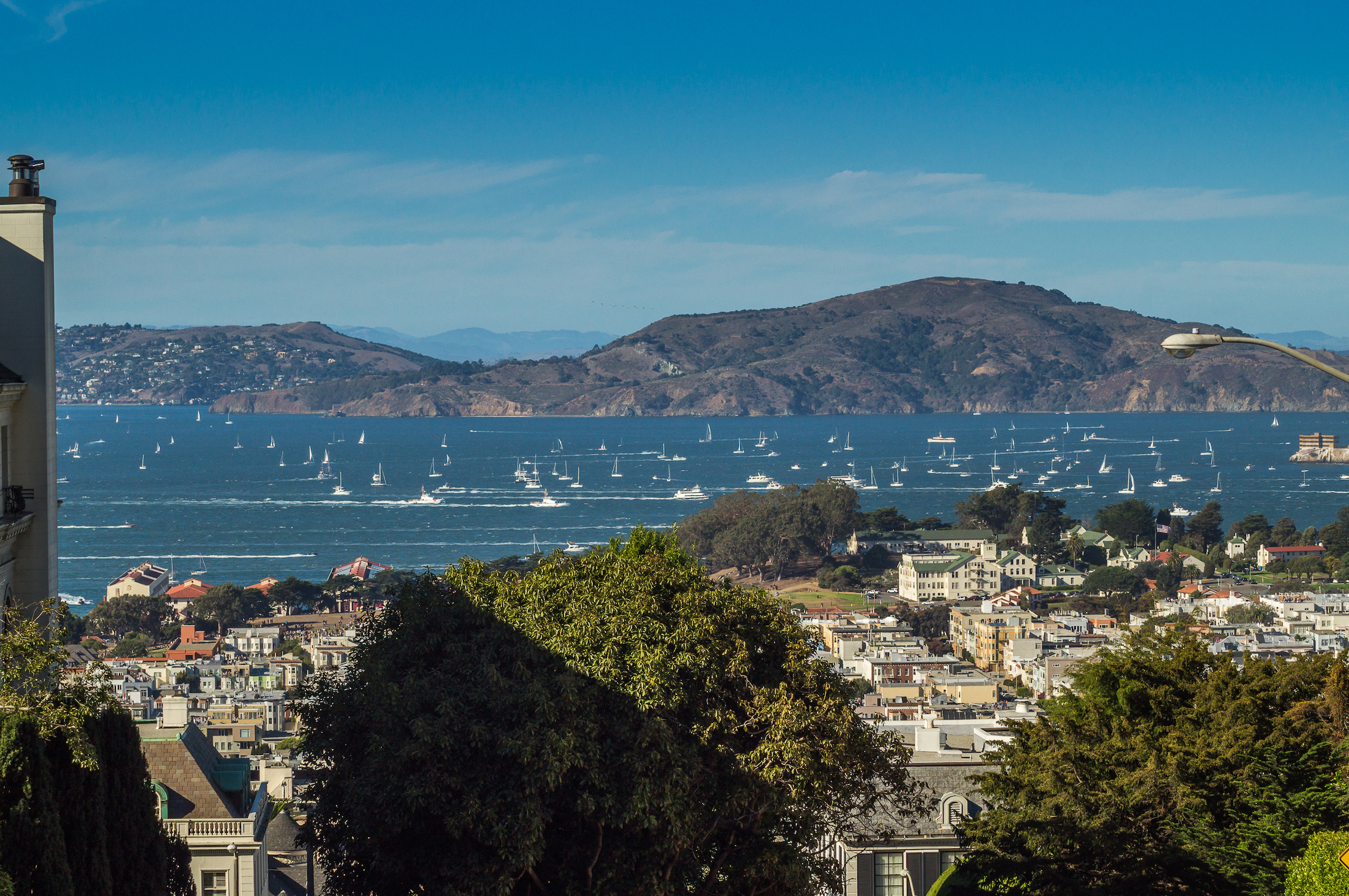
As we welcome the Spring of 2024, the real estate market in San Francisco and Marin offers a landscape of equilibrium, marking a departure from the volatility of the previous decade. This period of normalization is an opportune time for discerning buyers and sellers, particularly high net worth individuals and families who appreciate the unparalleled blend of luxury and lifestyle that these areas provide.
The Market's New Normal
In the current climate, 'normalized' doesn't just mean stable; it signifies a market that aligns more closely with national trends, yet retains the unique characteristics that make the Bay Area so special. This balance offers predictability and a solid foundation for making well-informed real estate decisions. For our community, who prioritizes exceptional design, strategic investment, and a harmonious lifestyle, this stability is essential.
Navigating Tight Inventory for Premium Properties
The Bay Area's inventory remains tight, particularly in coveted neighborhoods such as Pacific Heights, Cow Hollow, Presidio Heights, and Mill Valley. This scarcity ensures that properties in these locales continue to command a premium. For families seeking homes that support an active and cultured lifestyle, the competition for the finest properties is still a reality, emphasizing the value of strategic action in today’s market.
San Francisco: Beyond the Narrative
Contrary to some narratives, San Francisco retains its vibrancy and allure. The city, known for its dynamic neighborhoods and passionate community, continues to thrive. Beyond the headlines, San Francisco offers a quality of life unmatched by any other urban area, with its blend of cultural richness, environmental beauty, and innovative spirit. As more people come to recognize the true essence of San Francisco, we anticipate a renewed interest and influx into the market, further emphasizing the importance of acting now.
The Advantage of Acting in a Balanced Market
This unique market phase—characterized by normalization and limited inventory—presents a strategic opportunity for those prepared to act decisively. By engaging with the market now, you’ll be positioned advantageously as others remain hesitant. As the market gains momentum and more recognize San Francisco's enduring appeal, those who have already secured their ideal property will find themselves ahead of a potential influx of buyers.
Maximize Your Real Estate Potential with Expertise
In a market where timing and insight are crucial, making informed real estate decisions is paramount. Whether you’re looking to sell in one of San Francisco's premier neighborhoods or in search of your dream home, the Spring 2024 market is ripe with opportunity. With a proven track record and a commitment to excellence, I am dedicated to ensuring your real estate transactions surpass your expectations, leveraging extensive local knowledge and exclusive listings to your advantage.
Embracing San Francisco’s True Spirit
As we step into the Spring 2024 market, the invitation is clear: the time to act is now. For those ready to navigate the nuances of San Francisco's real estate landscape, the opportunities are vast. With an authentic understanding of the city’s true charm and a dedication to achieving your real estate goals, we can unlock the potential of this market together.
If you’re curious about how to navigate the current market conditions or ready to explore what San Francisco has to offer, text me.
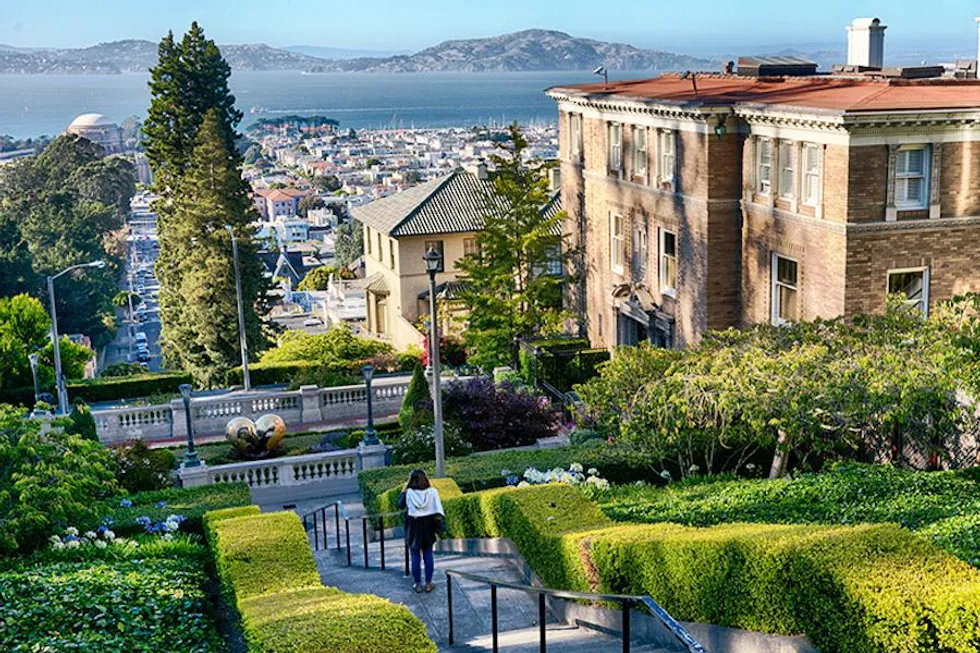
In the heart of San Francisco, Pacific Heights stands as a beacon of luxury living, continuing to attract high net worth individuals seeking not just a place to live, but a lifestyle that epitomizes the pinnacle of urban sophistication and comfort. This neighborhood, with its stunning views, historic mansions, and vibrant community life, offers a unique blend of attributes that secure its position as a top choice for those in pursuit of luxury real estate. Here, we delve into the myriad reasons behind Pacific Heights' enduring appeal, from its unparalleled lifestyle to its robust local economy and rich cultural scene.
Unparalleled Lifestyle and Architectural Grandeur
Pacific Heights offers an unmatched lifestyle that caters to the highest standards of luxury and convenience. The neighborhood is renowned for its breathtaking views of the San Francisco Bay, the Golden Gate Bridge, and the Marin Headlands, providing a picturesque backdrop to daily life. Architectural enthusiasts are drawn to the area's grand Victorian homes and beautifully preserved mansions, which stand as testaments to the city's rich history and cultural heritage. The meticulously landscaped parks and streets further enhance the neighborhood's charm, offering serene escapes within the bustling city.
A Robust Local Economy
The local economy of Pacific Heights and its surrounding areas plays a crucial role in attracting affluent buyers. San Francisco's status as a global hub for technology, finance, and innovation ensures a vibrant job market and a thriving economic environment. This economic vitality supports a high standard of living and sustains the neighborhood's luxury amenities, from high-end shopping and dining to exclusive clubs and recreational facilities. The presence of top-tier schools and universities in the vicinity also adds to the area's appeal, making it a preferred choice for families looking to provide the best education for their children.
Rich Cultural Scene and Community Life
Pacific Heights is at the heart of San Francisco's rich cultural scene, offering residents access to a diverse array of arts, entertainment, and cultural experiences. The neighborhood is home to several museums, galleries, and theaters, reflecting the city's vibrant artistic community. The local calendar is filled with cultural festivals, art shows, and community events that bring residents together and foster a strong sense of community. This cultural dynamism, combined with the neighborhood's history and architectural beauty, creates a deeply enriching living experience.
The Appeal of Exclusivity and Privacy
For many luxury buyers, the allure of Pacific Heights lies in its exclusivity and privacy. The neighborhood offers a sense of seclusion and tranquility, rare in an urban setting, making it a sanctuary for those looking to escape the hustle and bustle of city life. The tight-knit community and well-established neighborhood associations ensure that residents' privacy and security are prioritized, further enhancing the appeal of Pacific Heights as a place to call home.
Conclusion: A Timeless Appeal
The enduring appeal of Pacific Heights as a top choice for luxury buyers lies in its unique combination of lifestyle, economic stability, cultural richness, and exclusivity. This neighborhood not only offers a prestigious address but also provides a comprehensive living experience that caters to the desires and needs of high net worth individuals and families. As the San Francisco real estate market continues to evolve, Pacific Heights remains a beacon of luxury living, embodying the best of what the city has to offer.
For those seeking to immerse themselves in the unparalleled lifestyle of Pacific Heights or explore the opportunities within San Francisco's luxury real estate market, text me.
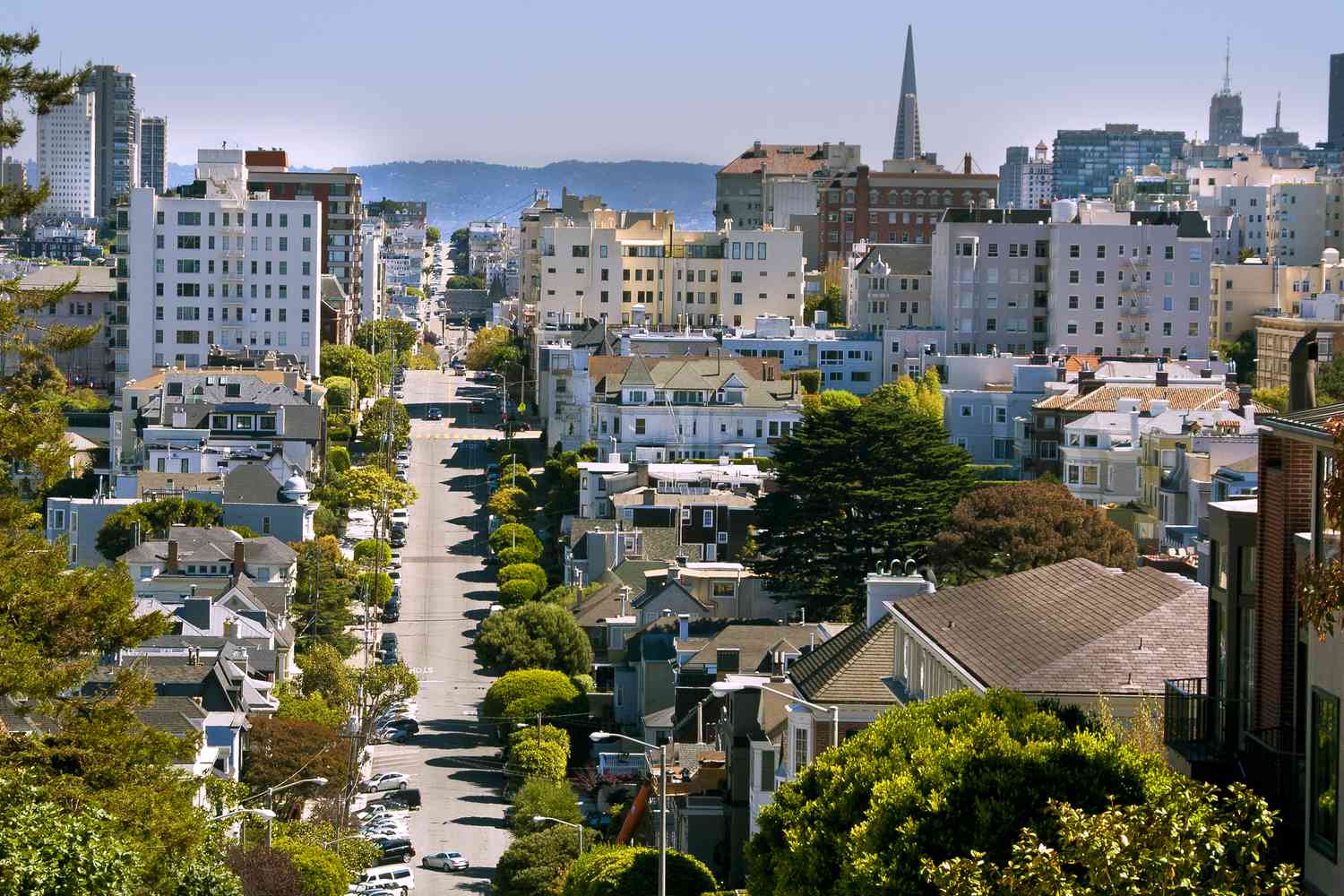
As Spring 2024 unfolds, the luxury real estate market in Northside San Francisco—encompassing Pacific Heights, Cow Hollow, Russian Hill, and The Marina—remains a competitive and dynamic arena. Both buyers and sellers in these prestigious neighborhoods face unique challenges and opportunities. This article delves into the nuances of navigating high-end transactions in this exclusive market, providing essential insider tips to help you make informed decisions and secure the best deals this spring.
For Buyers: Strategies to Stand Out
For Sellers: Maximizing Your Property's Appeal
Navigating Negotiations
Understanding the art of negotiation is crucial in the Northside San Francisco luxury market. For buyers, it means being prepared to move quickly and decisively, often with a strong opening offer. For sellers, it involves recognizing a serious buyer and being willing to negotiate terms beyond the price, such as shorter escrow periods or flexibility on closing dates.
The Importance of Expert Guidance
Perhaps the most vital tip for both buyers and sellers is the value of partnering with an experienced real estate professional who specializes in the Northside San Francisco luxury market. These agents bring a depth of market knowledge, negotiation skills, and access to off-market listings that are invaluable in securing the best deal.
Conclusion: An Informed Approach to Luxury Real Estate
As Spring 2024 progresses, the Northside San Francisco luxury real estate market remains a landscape of opportunity for those who navigate it with insight and strategy. By understanding the nuances of high-end transactions, timing the market right, and leveraging professional expertise, both buyers and sellers can achieve their real estate goals in these coveted neighborhoods.
For personalized advice on buying or selling luxury properties in Pacific Heights, Cow Hollow, Russian Hill, or The Marina this spring, text me.
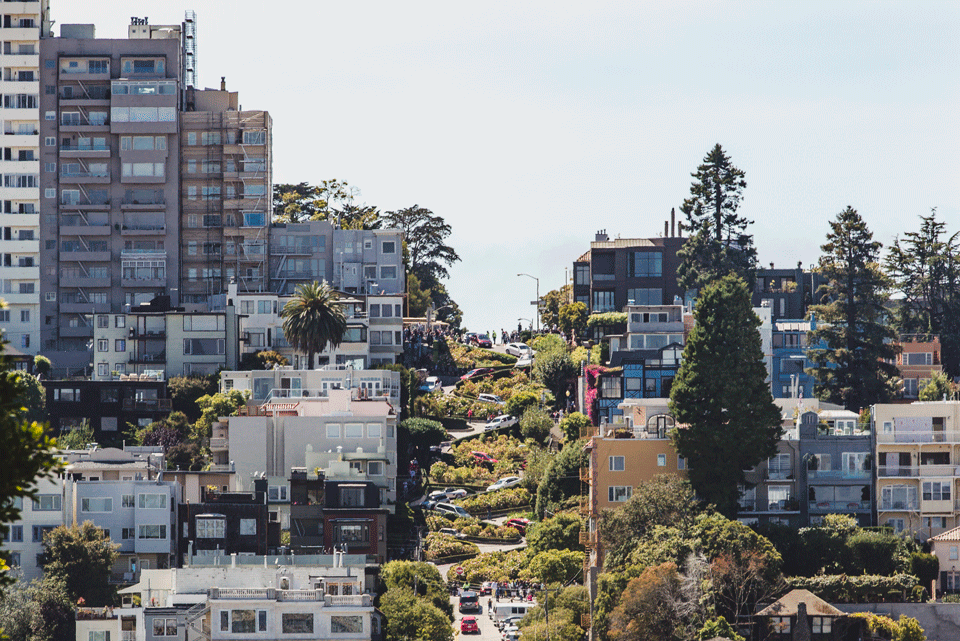
As we approach Spring 2024, San Francisco's prestigious North Side neighborhoods—Pacific Heights, Cow Hollow, Presidio Heights, and The Marina—are witnessing an unprecedented scenario. A combination of pent-up demand and a constrained supply of listings is setting the stage for a unique real estate dynamic. This situation presents both challenges and opportunities for buyers and sellers in these coveted areas.
Understanding the Pent-Up Demand
Over recent years, San Francisco's North Side has experienced a surge in demand, fueled by high net worth individuals and families seeking not just homes, but a lifestyle that blends luxury, culture, and access to the city's most cherished outdoor activities. This demand, however, has been met with a noticeable scarcity of available properties, leading to a buildup of eager buyers waiting for the right opportunity to secure their place in these elite neighborhoods.
The Spring '24 Market Outlook
Spring 2024 is poised to highlight the effects of this pent-up demand against the backdrop of limited listings. For sellers, this climate is advantageous, as the low supply of available homes is likely to drive premium pricing, ensuring that properties not only sell quickly but also command top dollar. This scenario is less about if a property will sell and more about how much value can be maximized in the transaction.
Price Implications for Buyers and Sellers
For buyers, the competition is fierce. The desire to live in North Side neighborhoods, known for their stunning architecture, proximity to top-tier schools, and vibrant community life, means that any new listings are quickly snapped up, often at prices exceeding asking. This competitive market requires buyers to be not only financially prepared but also strategically agile, ready to make decisive offers when opportunities arise.
For sellers, the current market offers a rare opportunity to capitalize on the high demand. With strategic pricing and marketing, sellers can leverage the limited inventory to their advantage, potentially resulting in lucrative sales that reflect the unique value of their properties in such a sought-after location.
The Role of Expertise in a Tight Market
In a market characterized by such high demand and low supply, the role of expert guidance cannot be overstated. Navigating the complexities of San Francisco's North Side real estate requires deep local knowledge, a nuanced understanding of market trends, and a strategic approach to buying and selling. Whether you're a seller looking to maximize your property's value or a buyer eager to find your dream home in this competitive landscape, partnering with a seasoned real estate professional is crucial.
Looking Ahead: Spring '24 and Beyond
As we look towards Spring 2024, the dynamics of San Francisco's North Side real estate market are clear: pent-up demand and limited listings are set to define the buying and selling experience. For those ready to engage with the market, preparation, strategy, and expert advice are key to navigating the opportunities and challenges ahead.
Whether you're considering selling your property or searching for your ideal home in San Francisco's North Side, text me. Together, we can explore the best strategies to achieve your real estate goals in this unique market climate.

San Francisco, a city of vibrant neighborhoods and dynamic lifestyles, offers a unique living experience that resonates deeply with those who appreciate the finer aspects of life. From the iconic slopes of Pacific Heights to the serene vistas of Mill Valley, each neighborhood tells its own story, inviting residents to be part of a community that values luxury, design, and intentionality in every aspect of living.
Luxury Living Redefined
In San Francisco, luxury isn't just about opulence—it's about creating spaces that reflect a deep understanding of design, functionality, and the art of living well. Scandinavian minimalism, with its clean lines and functional beauty, perfectly complements the Bay Area's ethos of sophisticated simplicity. Whether it's a modernist home in Presidio Heights or a chic apartment in Cow Hollow, the city's real estate embodies a commitment to excellence that appeals to those with discerning tastes.
A Lifestyle of Passion and Purpose
The Bay Area's residents are known for their active and outdoor lifestyles. Whether it's golfing, skiing, surfing, or mountain biking, there's a profound connection between the city's culture and the natural world that surrounds it. This bond with nature is not just about recreation—it reflects a deeper philosophy of living with intention, mindfulness, and a commitment to environmental stewardship.
Cultivating Community Through Art, Food, and Wine
Art, food, and wine are not just interests—they are passions that bring people together in San Francisco. The city's culinary scene is as diverse as its population, offering everything from high-end dining to local organic markets. Similarly, the art scene thrives on the city's historical roots and contemporary innovations, creating spaces where creativity and community converge.
A Philosophy of Empathy and Resilience
San Franciscans are known for their philosophical outlook on life. This perspective is rooted in an understanding of the struggles and triumphs of human experience. It's a community that values empathy, accountability, and the spiritual journey of navigating life's challenges together. This ethos is reflected in how residents raise their families, pursue their careers, and engage with their neighborhoods.
Navigating the San Francisco Real Estate Market
The San Francisco real estate market is as dynamic as the city itself. With over two decades of experience and a track record of success, understanding the nuances of this market requires a deep knowledge of the city's neighborhoods and a commitment to finding the perfect alignment between house, buyer, and price. In a city where the landscape is constantly evolving, it's essential to have a guide who knows the market inside and out and can navigate its complexities with professionalism and insight.
Your Guide to Luxury Living in San Francisco
For those looking to buy or sell in San Francisco's luxury real estate market, it's crucial to work with someone who not only understands the market but also shares your values and lifestyle. With a passion for the city and a commitment to excellence in every transaction, I'm here to help you find your place in the heart of San Francisco.
If you have questions about living in San Francisco's luxury neighborhoods or need guidance on your next real estate transaction, text me. Let's explore the possibilities together and find the perfect place for you to call home.
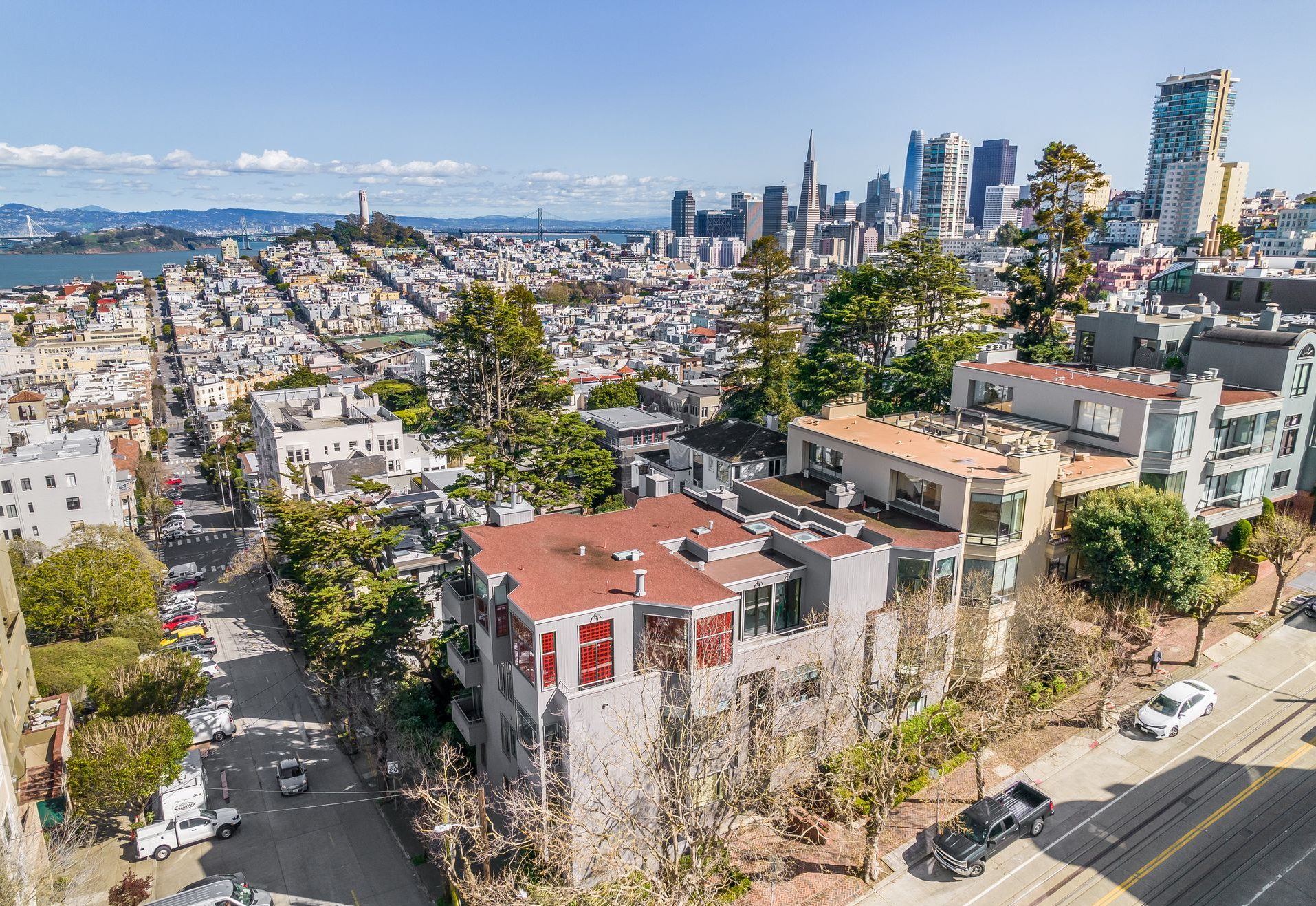
In today's fast-paced San Francisco real estate market, gaining an edge can make all the difference for both buyers and sellers. Access to pre-market and off-market properties has become a crucial strategy, offering a leg up in a competitive landscape. For buyers, this access means a first look at exclusive listings before they hit the general market. For sellers, especially those with properties that tick all the boxes for eager buyers, it heralds the return of pre-emptive offers, signaling a dynamic shift in the market's approach.
The Advantage for Buyers
In a city where demand often outstrips supply, especially in sought-after neighborhoods like Pacific Heights, Cow Hollow, and Presidio Heights, being in the know about pre-market and off-market listings is invaluable. These opportunities allow buyers to view and make offers on properties without the pressure of competing bids, enabling a smoother, more strategic path to securing their ideal home. For high net worth individuals and families looking for unique, luxury properties that meet specific criteria—from architectural style to location and amenities—this insider access is key to finding their dream home in San Francisco's tight market.
A Strategic Move for Sellers
For sellers, the advantage of leveraging pre-market and off-market channels cannot be overstated. In an era where privacy and discretion are increasingly valued, these avenues offer a way to market properties to a select group of serious buyers without publicizing the sale to the wider world. Furthermore, properties that meet the high standards and specific desires of this discerning buyer pool often attract pre-emptive offers, often above asking price. This not only speeds up the selling process but also maximizes the property's value, providing sellers with optimal outcomes in their real estate transactions.
The Return of Pre-Emptive Offers
The resurgence of pre-emptive offers in the San Francisco real estate market is a testament to the competitive nature of this landscape. Buyers, aware of the scarcity of properties that truly meet all their needs, are increasingly willing to move quickly and decisively. For sellers, this means that if your property is a "box-checker"—meeting all the criteria sought after by today's buyers—you should be prepared for the possibility of such offers, underscoring the importance of being market-ready at all times.
Navigating the Market with Expertise
Having access to pre-market and off-market listings is about more than just being in the right place at the right time; it's about having the right connections and expertise. Navigating this hidden landscape requires the guidance of a seasoned real estate professional with deep networks and a thorough understanding of both buyer and seller needs. For those looking to buy, this means working with an agent who can provide exclusive access to these elusive properties. For sellers, it means partnering with someone who can strategically position your property to attract pre-emptive offers, ensuring a swift and profitable sale.
Embracing the Opportunities Ahead
As the San Francisco real estate market continues to evolve, the importance of pre-market and off-market opportunities cannot be overstated. For buyers, this access is a golden ticket to finding your dream home in a competitive market. For sellers, it represents a chance to achieve unparalleled results. In both cases, the guidance of an experienced real estate professional is key to unlocking these opportunities.
If you're ready to explore exclusive pre-market and off-market properties in San Francisco, text me.
Selling real estate has been a dream career for Max. He’s fascinated by all aspects of the business and takes great pride in solving problems for clients to achieve their desired outcome.